PFI Annual Report 2024-2025

PFI Annual Report 2024-2025


1 Pages 1-10

▲back to top


1.1 Page 1

▲back to top


ANNUAL REPORT
2024-2025

1.2 Page 2

▲back to top


POPULATION FOUNDATION OF INDIA
About Population Foundation of India
Founded in 1970 by the late J.R.D. Tata, Population Foundation of India is a leading
non-governmental organisation (NGO) working in the field of population dynamics,
gender equity, and sexual and reproductive health (SRH). It addresses population
issues within the context of empowering women, men, and youth, enabling them to
make informed decisions about their fertility, health, and well-being.
The organisation’s approaches include strategic engagement with policymakers,
media, and other key stakeholders; knowledge generation and dissemination;
leveraging technology; scaling up pilot projects; and social and behaviour change
communication. Population Foundation of India collaborates closely with and
provides technical support to national and state governments, as well as other NGOs.
ANNUAL REPORT
2024-2025
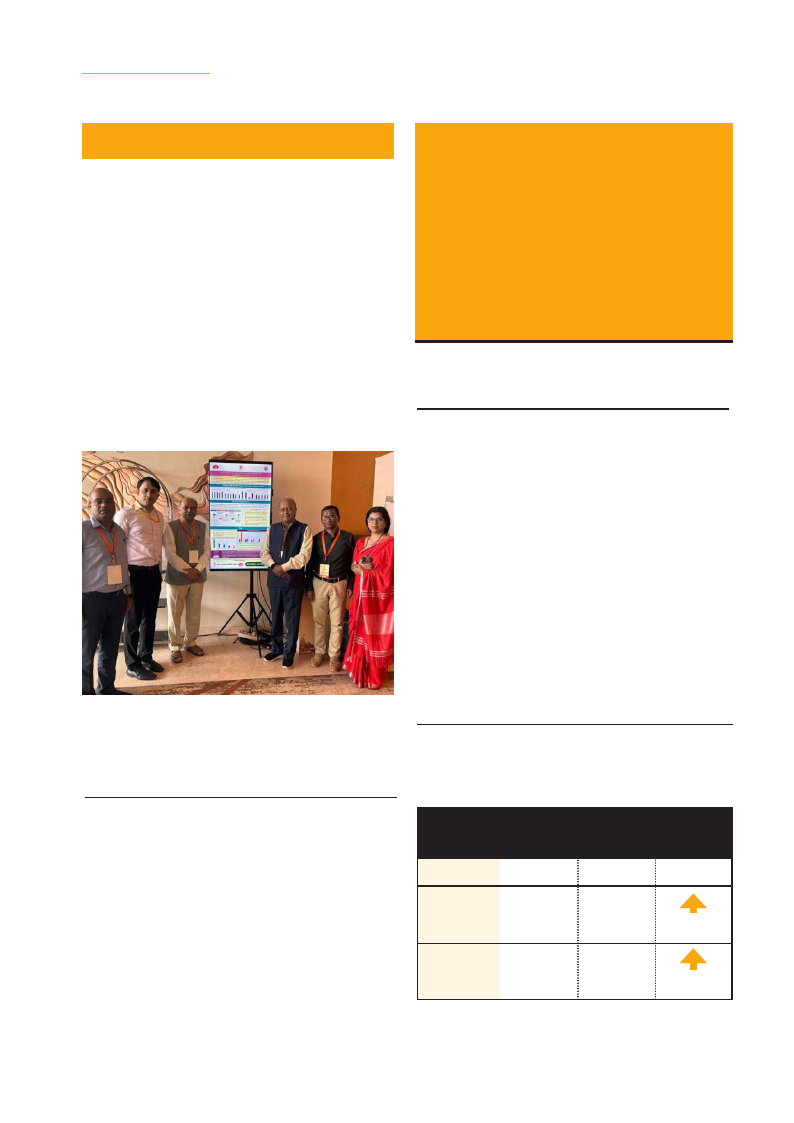
INSIDE COVER: Population Foundation of India team at the Umeed Programme Review
Meeting in Lucknow.
//2

1.3 Page 3

▲back to top


TABLE OF CONTENTS
About Population Foundation of India /02
Governing Board /05
Message from the
Chairperson & Executive Director /06
Highlights of 2024-2025 /08
Accomplishments & Initiatives
> Shifting the Narrative /10
> Our Work in Uttar Pradesh and Bihar /14
> Driving Change Through Digital Platforms /20
> Research and Evaluation /25
> Stories of Change /28
Financial & Operational Overview /32
Population Foundation of India’s HR Policies /33
Our Partners /35

1.4 Page 4

▲back to top


POPULATION FOUNDATION OF INDIA
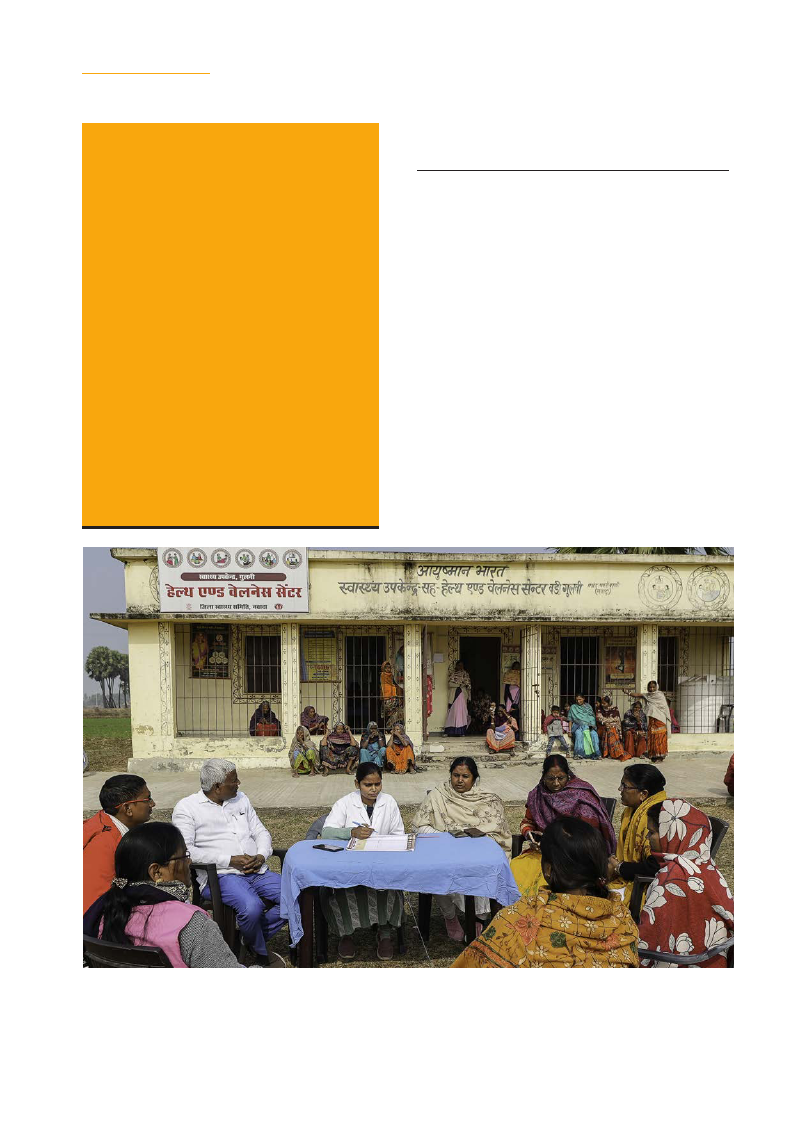
At a Health and Wellness Centre in Nawada, Bihar.
//4

1.5 Page 5

▲back to top


ANNUAL REPORT 2024-2025
GOVERNING BOARD
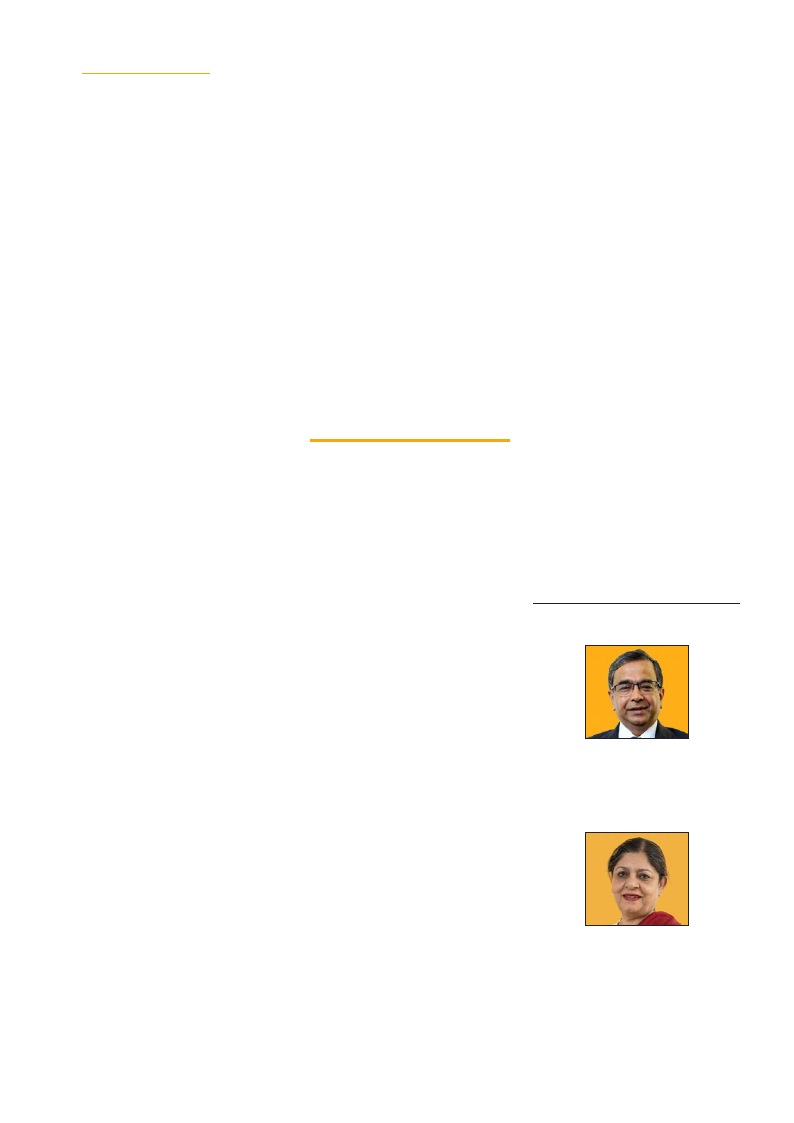
Prof. K. Srinath Reddy
Chairperson
Population Foundation of India,
Governing Board; Founder
President of Public Health
Foundation of India; President,
Council for Social Development;
Chair, Centre For Universal Health
Assurance, Indian School of
Public Policy
Mr. Rajya Vardhan Kanoria
Vice-Chairperson
Population Foundation of India
Governing Board; Chairman &
Managing Director of Kanoria
Chemicals & Industries Limited
Dr. Ajai Chowdhry
Founder HCL; Chairman, MGB,
National Quantum Mission
Dr. Harsh Mahajan
Founder & Chairman,
Mahajan Imaging & Labs
Ms. Ishita Chaudhry
Independent Advisor and Founder
of The YP Foundation
Mr. Kiran Karnik
Chairperson, HelpAge India;
former President, NASSCOM
Ms. Maja Daruwala
Chief Editor, India Justice Report;
Former Executive Director,
Commonwealth Human Rights
Initiative
Mr. Prem Das Rai
Former Member of Lok Sabha
Ms. Priya Paul
Chairperson, Apeejay Surrendra
Park Hotels Limited
Dr. Sonalde Desai
Demographer and Director,
NCAER National Data
Innovation Centre
Dr. Soumya Swaminathan
Chairperson, MS Swaminathan
Research Foundation; former
Chief Scientist at WHO and
Director General of the Indian
Council of Medical Research
Prof. Vikram Patel
Paul Farmer Professor and Chair,
Department of Global Health
and Social Medicine,
Harvard Medical School
Mr. Vinod Rai
Distinguished Visiting Research
Fellow, Institute of South Asian
Studies, National University of
Singapore; former Comptroller
and Auditor General of India,
Government of India
Ms. Poonam Muttreja
Executive Director,
Population Foundation of India
//5

1.6 Page 6

▲back to top


POPULATION FOUNDATION OF INDIA
A MESSAGE FROM THE
CHAIRPERSON AND
EXECUTIVE DIRECTOR
The past year has been one of
immense change, challenge, and
opportunity—globally, nationally,
and within the work of Population
Foundation of India. The discourse
around population is shifting. Where
once fears of a population explosion
shaped common perceptions, today
concerns about a demographic
“collapse” and its implications are
emerging from different quarters.
Alongside this shift, the development
sector is facing increasing
uncertainty in funding, as traditional
avenues—international as well as
domestic—become less predictable.
Yet, this evolving landscape also
holds promise. A new wave of Indian
philanthropists is emerging, bringing
fresh energy to create long-term
social impact. These transitions have
strengthened our resolve to adapt
with purpose and find opportunities
in adversity.
We’ve remained steadfast in raising
critical issues at the highest global
and domestic forums, deepening
our engagement with national
stakeholders, and reaffirming our
role as a trusted, independent voice
in the development sector.
At Population Foundation
of India, we don’t just
design programmes—
we create movements
and scale impact. Our
Umeed programme,
in partnership with
the government of UP,
ensures that critical
reproductive health
services reach those who
need them the most.
//06

1.7 Page 7

▲back to top


ANNUAL REPORT 2024-2025
Population Foundation of India’s
expertise in gender and population
has been recognised on global
platforms. The organisation was
represented on the Study Committee
of the U.S. National Academies of
Sciences, Engineering, and Medicine
for a landmark global report on
women’s empowerment, population
dynamics, and development.
At the 57th Commission on
Population and Development in
New York, we represented civil
society voices, advocating for a
three-fold agenda: investing in
youth, empowering women, and
supporting healthy ageing. We also
convened a global panel of Members
of Parliament at the International
Parliamentarians’ Conference in
Oslo to address urgent issues
around family planning and
reproductive health.
At Population Foundation of India,
we don’t just design programmes—
we create movements and scale
impact. Our Umeed programme, in
partnership with the Department
of Health and Family Welfare,
Uttar Pradesh, ensures that critical
reproductive health services reach
those who need them the most.
Within two years, we expanded from
a single district to seven across Uttar
Pradesh, covering over 6,000 villages
and reaching over 12.5 million
people in the reproductive age group
(15-49 years).
In Bihar, we continue our
longstanding partnership with
the State Health Society Bihar
(SHSB) under a Memorandum of
Understanding that extends to 2026.
The Family Planning Convergence
Programme has successfully
engaged with over 9,000 self-help
groups to promote awareness and
adoption of family planning services,
engaging an additional 90,000
The Family Planning
Convergence Programme
has successfully engaged
with over 9,000
self-help groups to
promote awareness
and adoption of family
planning services,
engaging an additional
90,000 eligible couples,
with over 44,000
adopting family planning
methods.
eligible couples, with over 44,000
adopting family planning methods.
Technology remains central to our
efforts in expanding access to sexual
and reproductive health information.
Our AI-powered chatbot, SnehAI,
has been an invaluable resource
for young people, offering them
a safe and personalised space to
learn about reproductive health and
online safety. This year, we piloted a
voicebot as an additional outreach
channel and enhanced SnehAI to
better engage boys and men.
Our digital campaign, Desh Badlega
Jab Mard Badlega (Better Men for a
Better Country), reached 27 million
people and garnered 33 million
video views, 505,000 likes, 3,200
shares, and 829 comments. Men
made up more than 70% of the
audience, with women at 29.7%. The
largest group was aged 18-24, with
14 million engagements, followed by
those aged 25-34, who contributed 8
million engagements.
More than a decade since its launch,
our flagship Social and Behaviour
Change Communication (SBCC)
initiative, Main Kuch Bhi Kar Sakti
Hoon (I, A Woman, Can Achieve
Anything), continues to inspire
change. Although the third and final
season ended in 2019, its content
remains central to our ongoing SBCC
efforts. The show’s clips are actively
used in training programmes and
by field workers in Uttar Pradesh to
promote family planning and gender
equality. This reinforces the power
of storytelling through the digital
medium as a catalyst for social
transformation.
Despite the challenges, our
commitment to advancing
reproductive health, gender equality,
and population stabilisation remains
unwavering. We are grateful for
the trust and support of our board
members, partners, donors, and
stakeholders. As we look ahead,
we remain committed to building a
future where every individual has the
opportunity to lead a healthy and
empowered life.
PROF. K. SRINATH REDDY
Chairperson, Governing Board,
Population Foundation of India
MS. POONAM MUTTREJA
Executive Director,
Population Foundation of India
//07

1.8 Page 8

▲back to top


POPULATION FOUNDATION OF INDIA
HIGHLIGHTS OF 2024-25
Shaping Global Agendas
Our Executive Director
served on the National
Academies of Sciences,
Engineering, and Medicine (NASEM)
Study Committee, contributing to a
landmark report examining linkages
between women’s empowerment,
population dynamics, and
development.
Scaling Family Planning
Services in Uttar
Pradesh
Building on a successful
pilot in the Jarwal block of Bahraich
district, our partnership with the Uttar
Pradesh government expanded to
50 blocks across seven high-fertility
districts, ensuring access to quality
reproductive health services for an
estimated 12.5 million people.
Representing Civil
Society at CPD57
Population Foundation
of India represented
civil society organisations at the
57th Commission on Population
and Development (CPD57) in New
York, where it advocated for bold
investments in four intersecting
drivers—demographic, gender,
silver, and democratic—to build a
sustainable, choice-based future.
National Best Practice
Recognition
In 2024, the State Health
Society Bihar requested
Population Foundation of India to scale
up the Family Planning Convergence
Programme (FPCP) in 3,400 villages
across five districts of Bihar. The
initiative focuses on incentivising
over 9,000 Jeevika Self Help Groups
to promote awareness and adoption
of family planning services. The
initiative, recognised as a national
best practice by the Ministry of Health
and Family Welfare, was presented
at the 9th National Summit on Good
and Replicable Practices held in Puri,
Odisha, in February 2025.
Inspiring Millions
through Digital
Campaigns
Our social
media campaigns—
#MainKuchBhiKarSaktiHoon,
#DeshBadlegaJabMardBadlega, and
#GenderEqualWorld—reached over
51 million people and garnered 65
million video views, sparking national
conversations on family planning,
gender equality, and the role of young
men in driving change.
Building Youth Capacity
through Online Learning
Through our ongoing
partnership with
HCLFoundation, the ARSH (Adolescent
Reproductive and Sexual Health)
for You course reached over 500
professionals, with a 60% completion
rate. In 2024, a new internet safety
module was introduced to raise
awareness of online risks and promote
responsible digital behaviour.
//08

1.9 Page 9

▲back to top


ANNUAL REPORT 2024-2025
ACCOMPLISHMENTS
& INITIATIVES
//09

1.10 Page 10

▲back to top


POPULATION FOUNDATION OF INDIA
SHIFTING THE NARRATIVE
Population Foundation of India has been at the forefront of shaping
India’s population and reproductive health discourse, anchoring it in
a gender sensitive and choice-based framework. Through strategic
and multi-sectoral engagement, Population Foundation of India has
championed policies that move beyond demographic targets
to centre dignity, choice, and autonomy.
As India navigates a complex demographic transition—
where a rising youth population intersects with a rapidly
ageing one—the stakes are high. Realising the full
potential of this moment requires deliberate, inclusive
investments in health, education, and livelihoods for
young people, women, and the elderly alike. At the same
time, polarised narratives and misinformation around
population demand a renewed focus on evidence,
dialogue, and equitable solutions.
Population Foundation of India continues to lead this
shift, reframing family planning and reproductive health
as essential levers for social justice, resilience, and
sustainable development. In 2024–25, we deepened
our strategic engagement by taking the voices of
women, young people, and civil society to global and
national forums, building alliances, informing priorities,
and helping shape the national and international
development agenda.
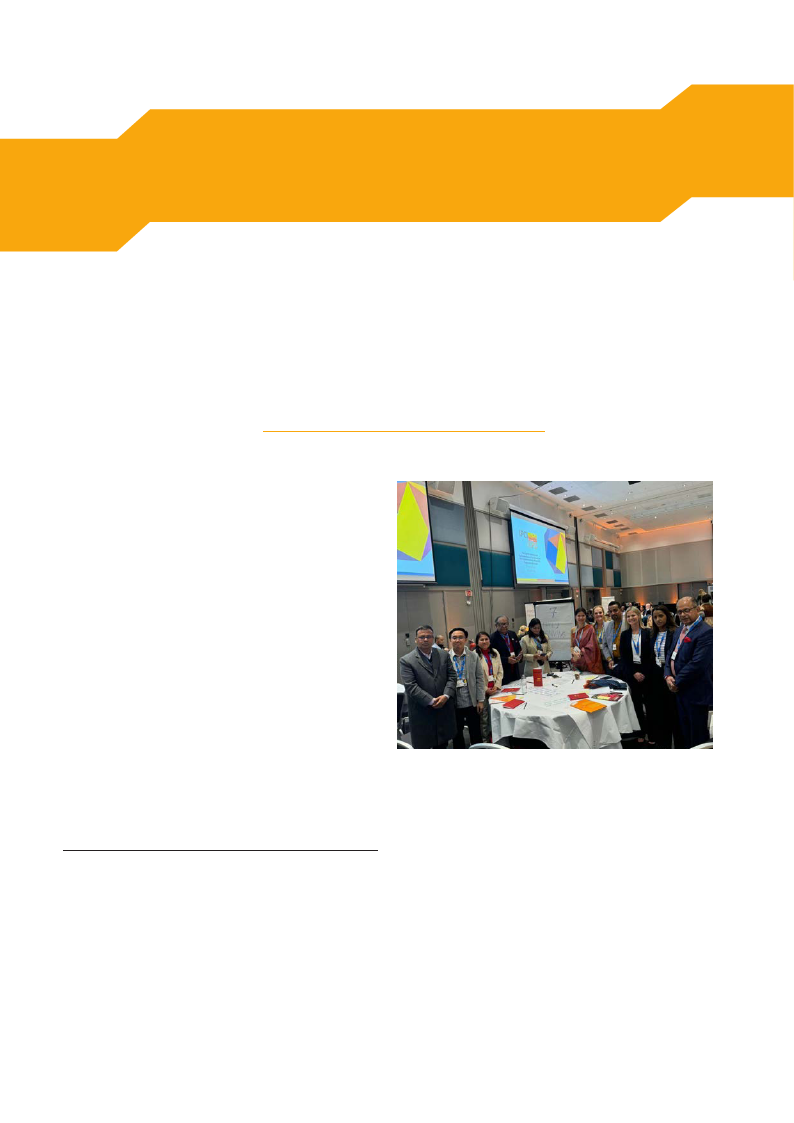
Dr. Sanghamitra Singh led a roundtable at the
8th International Parliamentarians’ Conference on the
ICPD Programme of Action (IPCI), Oslo.
Shaping Global and National Discourse
>>In March 2025, Executive Director Poonam Muttreja
was invited by the Government of Andhra Pradesh
to speak at a state-level conference on Population
Dynamics and Development in Amaravati. The event
brought together experts to inform the state’s proposed
Population Management Policy. Ms. Muttreja spoke
on a panel examining demographic shifts in
Andhra Pradesh and India, underscoring the need for
strategic investments to leverage demographic, gender,
and ‘silver dividends’ (referring to India’s growing elderly
population). She also moderated a session on the
economic impact of population policy interventions. Key
recommendations from the conference were presented
to the Chief Minister at the closing session.
>>At the 8th International Parliamentarians’
Conference on the ICPD Programme of Action (IPCI)
in Oslo, Chief of Programmes Dr. Sanghamitra Singh
//10

2 Pages 11-20

▲back to top


2.1 Page 11

▲back to top


ANNUAL REPORT 2024-2025
led a roundtable with global parliamentarians on their
critical role in expanding access to family planning. The
momentum carried forward to the 57th Commission
on Population and Development (CPD57) in New York,
where Executive Director Poonam Muttreja called
for bold investments in four intersecting dividends—
demographic, gender, silver, and democratic. She
stressed that in a post-pandemic world shaped by
inequality and conflict, these opportunities hold the
greatest promise for a sustainable, choice-based future.
>>In September 2024, Population Foundation of India
co-hosted the Gender Conclave in New Delhi with the
National Council of Applied Economic Research (NCAER)
and other partners, bringing together 70 experts to
explore gender and development linkages. Dr. Singh
joined a panel on “Changing Life Course of Women,”
highlighting shifting aspirations and the need for
adaptive, gender-responsive policies.
>>Further strengthening the conversation on sexual
and reproductive health, Population Foundation of India
supported the National Conference on Reproductive
Justice, hosted by the Centre for Women’s Development
Studies (CWDS) in February 2025. Executive Director
Poonam Muttreja delivered the keynote address,
laying the groundwork for a powerful dialogue on
reproductive governance, structural inequality, and
state accountability.
>>Population Foundation of India continued to highlight
the gendered dimensions of India’s demographic
transition. At the Jindal School of Government
and Public Policy, Ms. Muttreja joined a panel on
“Demographic Dividends of Youth and Women,”
Dr. Varun Sharma at the FP2030 South-South Learning
Workshop in Kathmandu, Nepal.
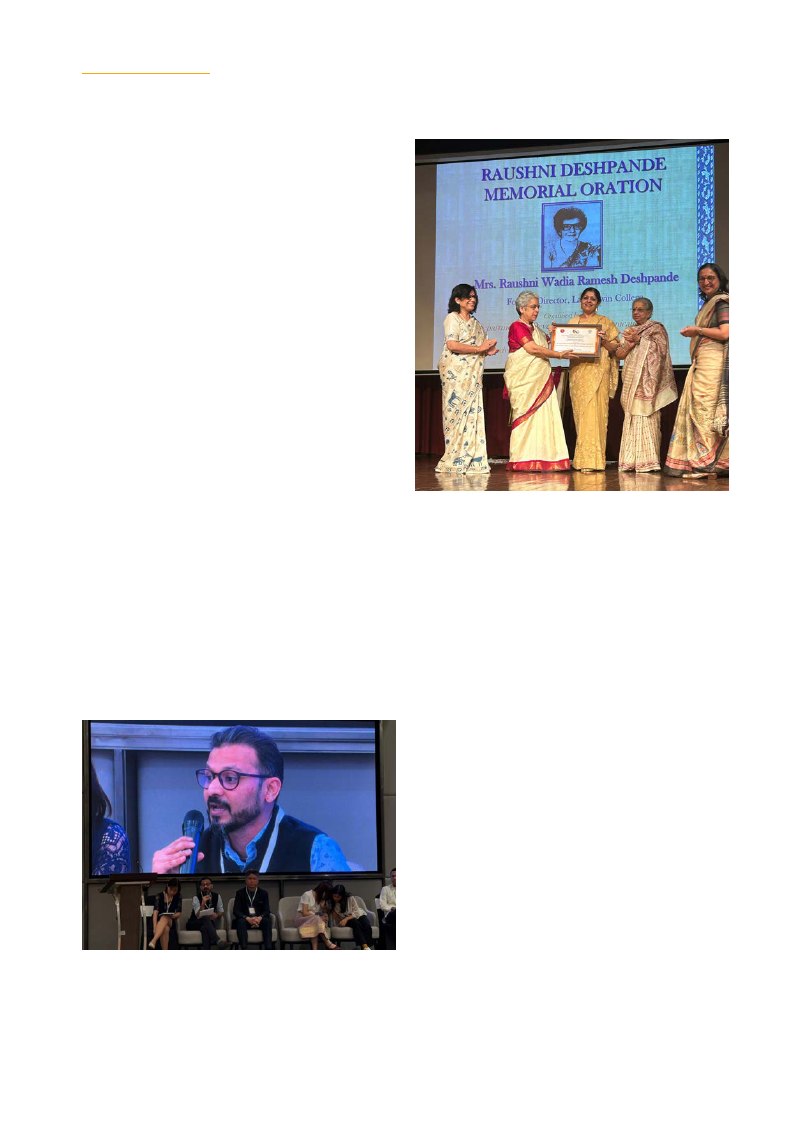
Ms. Poonam Muttreja at the 20th Raushni Deshpande
Memorial Oration in New Delhi.
reiterating the need for integrated policies that invest in
health, education, and skilling, particularly for women
and girls whose potential remains under-leveraged.
>>Dr Sanghamitra Singh represented India’s civil society
at the FP2030 Asia Pacific Focal Point Workshop in
Manila. Her interventions highlighted Population
Foundation of India’s holistic approach, which combines
voluntary, choice-based service delivery with capacity
building, strengthening systems, and busting myths
through strategic communication.
>>Throughout this period, Social and Behaviour
Change Communication (SBCC) emerged as a recurring
theme, both as a strategy and a movement. At the
20th Raushni Deshpande Memorial Oration at Lady
Irwin College, Ms. Muttreja made a compelling case for
SBCC as a public health and equity imperative, arguing
that no health system reform is complete without
transforming the social norms that underpin behaviour.
>>At the FP2030 South-South Learning Workshop
in Kathmandu, our Senior Specialist, Monitoring and
Evaluation, Dr. Varun Sharma, showcased our impactful
adolescent sexual and reproductive health (SRH) work,
including SnehAI, Educately, and the SBCC campaign
Itni Bhi Kya Jaldi Hai, which addresses early pregnancies
through community engagement and media.
//11

2.2 Page 12

▲back to top


POPULATION FOUNDATION OF INDIA
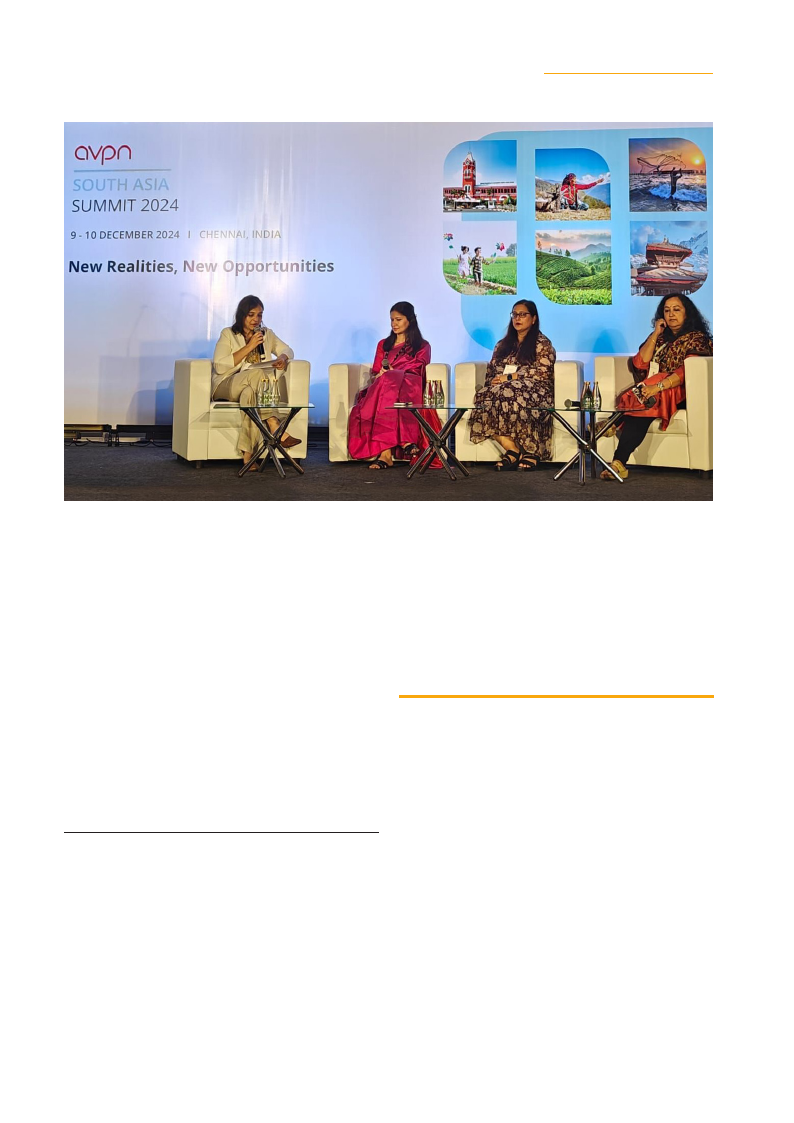
Dr. Sanghamitra Singh participating in a panel discussion at the AVPN South Asia Summit in Chennai.
>>At the AVPN South Asia Summit held in Chennai
in December 2024, Dr. Sanghamitra Singh joined a
panel discussion on “Unlocking Potential: Tackling
Barriers to Women’s Economic Empowerment.” The
session explored systemic factors that limit women’s
participation in the workforce and underscored the
importance of multi-stakeholder strategies and data-
informed approaches in addressing these challenges.
Together, these engagements reflect Population
Foundation of India’s strategic focus on aligning national
and global dialogues on reproductive justice as well as
evidence-informed approaches to population, gender,
and health.
Strengthening Public Discourse Through Media
Population Foundation of India has continued its robust
engagement with the media to ensure the dissemination
of credible and evidence-based information on
population dynamics, family planning, and sexual and
reproductive health. Over the past year, Population
Foundation of India’s media presence has helped shape
public discourse, challenge misinformation, and highlight
the interconnections between family planning and
broader development goals.
Population Foundation of India’s media
presence has helped shape public
discourse, challenge misinformation, and
highlight the interconnections between
family planning and broader
development goals.
Engaging with scores of national and international media
organisations, Population Foundation of India provided
timely insights through expert articles, op-eds, interviews,
and TV panel discussions. Our media engagement
has played a key role in promoting a voluntary family
planning approach while countering narratives that
promote coercive population policies, whether based
on misinformation about a “population explosion” or
“population collapse”.
During this period, Population Foundation of India’s
media presence reinforced our role as a trusted source
of evidence-based information on population dynamics,
family planning (FP), and reproductive health. We authored
27 articles and op-eds, appeared in 18 in-depth interviews,
and participated in 17 panel discussions across major
national television and digital platforms. Additionally, our
insights were featured in over 200 media publications.
//12

2.3 Page 13

▲back to top


ANNUAL REPORT 2024-2025
In 2024, Population Foundation of India actively
addressed the misinformation around population
issues through interviews with new and legacy media.
Through opinion pieces and editorials published in
The Hindu and The New Indian Express, we questioned
the widespread misinformation in the country. Our work
was referenced across the media ecosystem to counter
misinformation.
As a responsible voice, Population Foundation of India
has drawn attention to the current population dynamics,
advocating for a critical three-fold agenda: investing in
youth, empowering women, and supporting healthy
ageing. Our articles have appeared as a longform essay
in India Development Review, an op-ed in Livemint, and
a blog on the Times of India website, among others.
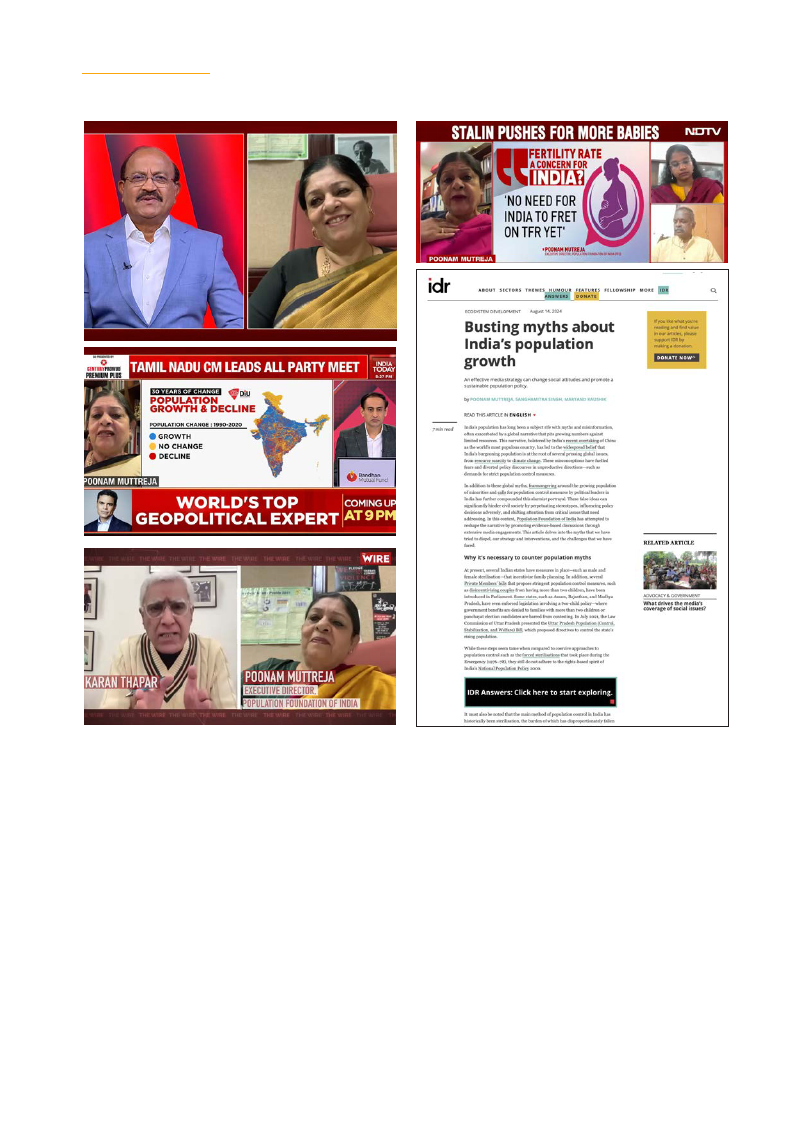
Since late last year, Population Foundation of India
has led the narrative against coercive, incentive-based
population policies—particularly in the context of
declining fertility in southern states—appearing on
NDTV, India Today, Mirror Now, and The Wire.
Population Foundation of India has used these
opportunities to emphasise the importance of
voluntary, choice-based approaches while formulating
population policies, whether it is addressing a youth
bulge or an ageing, declining population.
Population Foundation of India remains committed
to leveraging the media as a vital tool to inform public
discourse, counter misinformation, and support
evidence-based policymaking in family planning and
reproductive health.
//13

2.4 Page 14

▲back to top


POPULATION FOUNDATION OF INDIA
OUR WORK IN
UTTAR PRADESH & BIHAR
At Population Foundation of India, we engage with
public health systems and communities to enhance the
effectiveness, equity, and resilience of health service delivery
in Bihar and Uttar Pradesh.
In 12,000 villages across 15 districts of Bihar and Uttar
Pradesh, Population Foundation of India provides
technical assistance to government departments and
strengthening the capacities of public health cadres.
This includes frontline workers such as ASHAs
(Accredited Social Health Activist) and ANMs
(Auxiliary Nurse Midwife). We mobilised communities
and supported data-driven planning and review
mechanisms, with improved family planning and
reproductive health outcomes. By strengthening existing
public health systems and enabling community-led
accountability, we have contributed to responsive,
people-centred health systems that prioritise the needs
of marginalised populations.
UTTAR PRADESH
Identifying Systemic Gaps Through Facility
Readiness Reviews
A facility readiness review across 332 public health
facilities in the seven high-fertility districts assessed
their preparedness and capacity to deliver quality family
planning services. The review revealed gaps, such as
limited availability of trained counsellors, recurring
stock-outs of contraceptives, and outdated Social and
Behaviour Change Communication (SBCC) materials.
The review highlighted a strong demand for technical
support among district and block-level officials. It also
spotlighted the urgent need to train ANMs and ASHAs in
family planning counselling, as many had not received
structured training since 2005–06.
Population Foundation of India, with support from
Mobius Foundation, is working with the Department of
Health and Family Welfare, Uttar Pradesh, to strengthen
the delivery of family planning and reproductive health
services through the public health system under its
Umeed programme. The programme spans over 6,000
villages and 50 blocks across seven high-fertility districts:
Bahraich, Balrampur, Barabanki, Gonda, Unnao, Sitapur
and Shravasti. Alongside system-level interventions, we
engage closely with communities to raise awareness,
shift social norms, and enable informed decision-making,
particularly among women and young couples.
Strengthening Inter-Departmental Coordination
Population Foundation of India worked closely with
the Block Development Officers across intervention
districts to constitute Block Coordination Committees
(BCCs) in 49 blocks. The initiative brought together over
700 officials from the Departments of Health, Women
and Child Development, Panchayati Raj, National Rural
Livelihoods Mission (NRLM) and Education. These inter-
departmental platforms have become key engines of
convergence, enabling joint problem-solving to improve
the uptake of family planning and reproductive health
//14

2.5 Page 15

▲back to top


ANNUAL REPORT 2024-2025
services, especially among newly married couples,
pregnant women, and lactating mothers. The BCCs
have also played a vital role in sensitising stakeholders
to support local actions on social issues like gender
discrimination, early marriage, and teenage pregnancy.
Meanwhile, District Working Groups (DWGs) are in the
process of being set up, to build on the success of the
Block Coordination Committees (BCCs). These DWGs will
be chaired by the District Magistrate and Chief Medical
Officer and function as district-level inter-departmental
platforms, bringing together key stakeholders from
health, education, and allied departments.
public healthcare, we facilitated a series of community-
led health camps and awareness campaigns in
seven intervention districts across the states. In
Bahraich alone, eight health camps were organised
in collaboration with the Health Department across
key public locations and panchayats, reaching over
4,000 individuals with essential services, including
contraceptives, medical check-ups and medicine
distribution. On International Women’s Day, Family
Planning Counselling Camps were held simultaneously
across these districts, providing counselling to
1,150 individuals.
Expanding Access to Family Planning in
Remote Areas
Empowering Frontline Workers to Deliver Quality
Family Planning and Reproductive Health Services
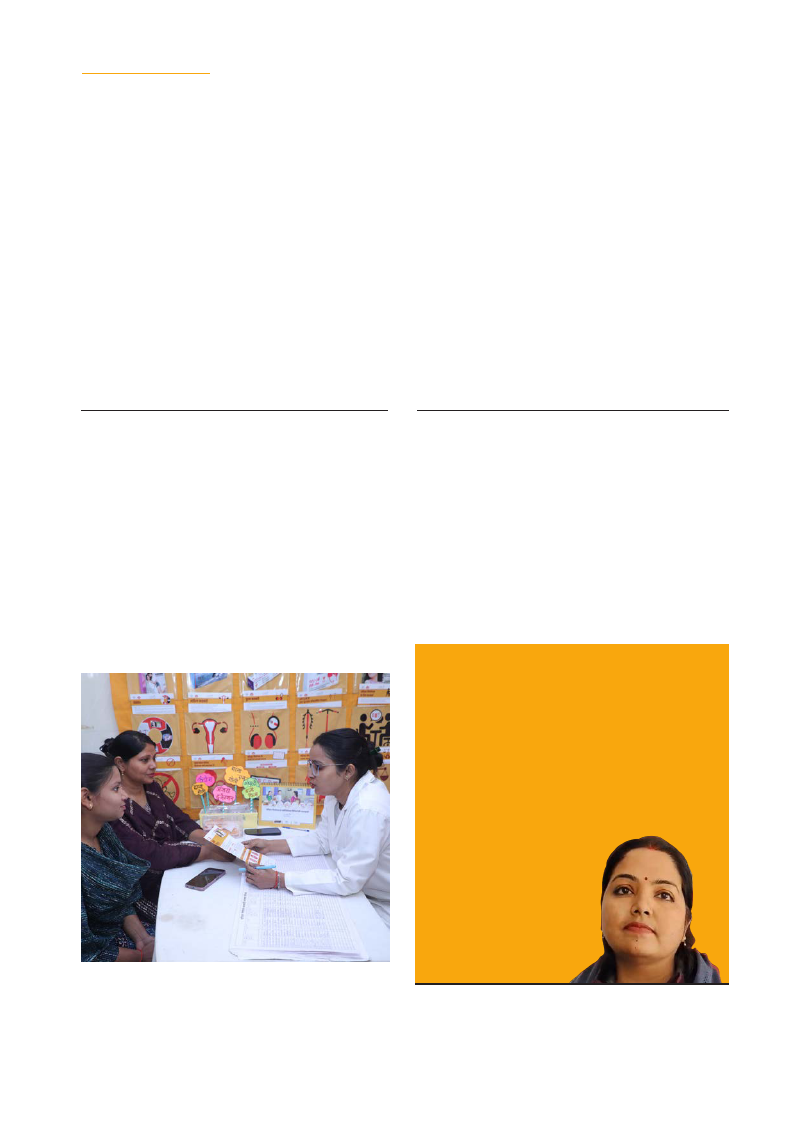
To address gaps in access to counselling, we
established 40 Umeed Counselling Corners across
seven districts in rural Uttar Pradesh, supported by
160 trained counsellors and staff nurses. Where space
or infrastructure was limited, portable kiosks were
placed near the Ante Natal Care (ANC), Out-Patient
Departments (OPDs) or hospital entrances to improve
visibility and access. Each kiosk offers privacy, SBCC
materials, and bridges key information gaps on family
planning choices. Since its launch in 2024, over 10,500
client interactions have been tracked, monitoring
outreach and quality of service.
To bridge service delivery gaps and build trust in
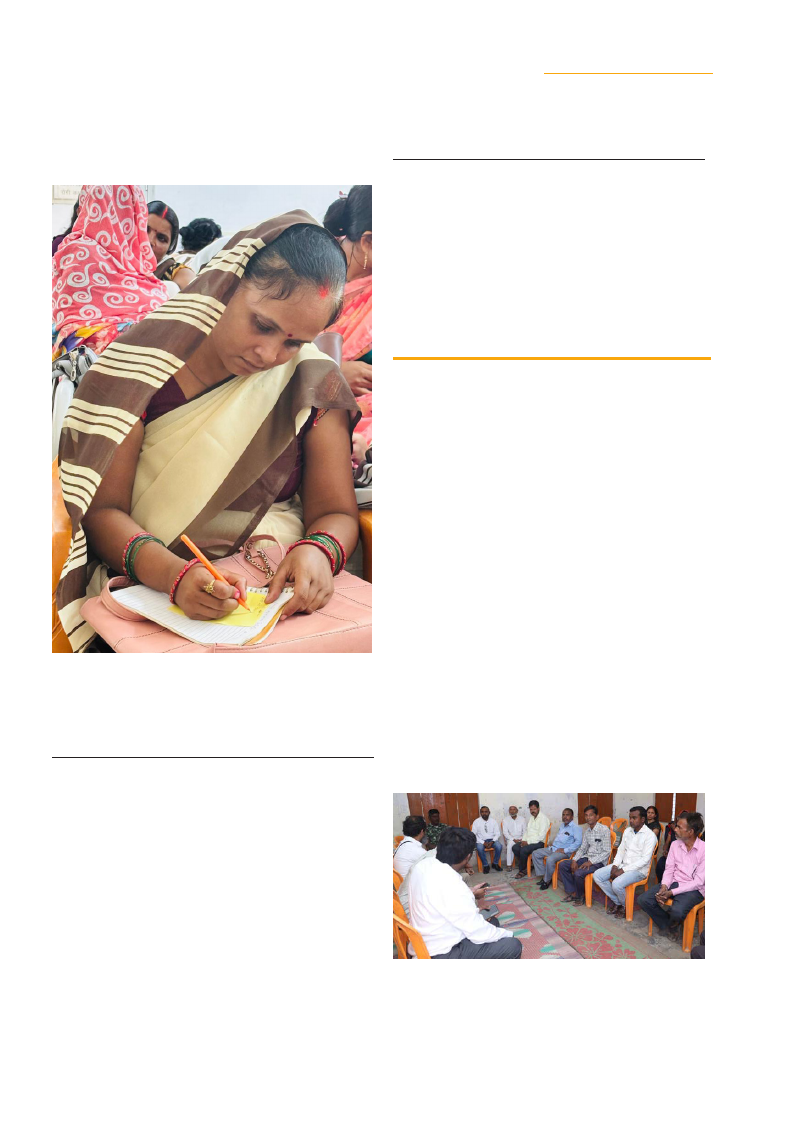
To build the capacities of frontline health workers and
strengthen last-mile family planning service delivery,
nearly 13,000 ASHAs and ANMs were mapped into 260
training clusters across the seven districts. Between
December 2024 and January 2025, over 8,100 frontline
workers were trained through 162 cluster-level sessions
across the seven intervention districts, led by 120
master trainers using customised training modules.
These trainings not only focused on updating method-
specific knowledge and building capacity to counsel
clients on side-effects but also served as platforms for
experience-sharing, peer learning and motivation.
“Although I’ve been working in the
field of family planning, it was only
during the Umeed training that
I gained a better understanding
about methods like Chhaya and
Antara, enabling me to serve the
community better.”
SEEMA DUBEY,
ANM from Nindura
block of Barabanki
A counsellor holds a session at an Umeed Counselling Corner.
//15

2.6 Page 16

▲back to top


POPULATION FOUNDATION OF INDIA
A comprehensive cluster meeting guideline was introduced
to ensure consistency across training sessions and foster a
spirit of peer learning and collective problem-solving.
Empowering Local Champions and Male Leaders
in Jarwal Block
These champions have emerged as
active changemakers, leading awareness
campaigns, fostering dialogue, and
supporting equitable access to reproductive
health services within their communities.
Their collective efforts resulted in the
mobilisation of over 2,000 individuals
availing family planning services.
A cluster training session for ASHA workers in Barabanki district,
Uttar Pradesh.
Strengthening Contraceptive Supply Chain
Management
To reduce shortages and strengthen the last-mile
delivery of contraceptives, 325 pharmacists, Assistant
Reproductive Health Officers, and data operators were
trained on the Family Planning Logistics Management
Information System (FPLMIS) across intervention
districts. FPLMIS is a digital platform developed by the
Ministry of Health and Family Welfare for real-time
tracking, forecasting, and distribution of contraceptives.
Led by district teams, these trainings have enhanced data
accuracy, improved forecasting and ensured a steady,
uninterrupted supply of contraceptives to facilities and
frontline workers.
Population Foundation of India has made significant
progress by partnering with Panchayati Raj Institutions
(PRIs), Self-Help Groups (SHGs), and community leaders
to promote informed family planning choices in the
Jarwal block of Bahraich district. Community members
trained as Family Planning Champions learnt to identify
and challenge gender stereotypes, early marriage, and
preference for sons over daughters.
These champions have emerged as active change-
makers, leading awareness campaigns, fostering
dialogue, and supporting equitable access to
reproductive health services within their communities.
Their collective efforts resulted in the mobilisation of
over 2,000 individuals availing family planning services.
Recognising the influential role of male leadership in
shaping community norms, we also conducted a focused
orientation for 23 Gram Pradhans (village heads) in
Jarwal. These key decision-makers were sensitised on
sexual and reproductive health and the importance of
engaging men in promoting gender equity. Many have
since taken proactive steps to support family planning
and to address practices like early marriage, reinforcing
the role of local governance in driving social change.
A meeting with Community Champions in Bahraich, Uttar Pradesh.
//16

2.7 Page 17

▲back to top


ANNUAL REPORT 2024-2025
BIHAR
Population Foundation of India has been working in
Bihar for over two decades under an MoU with the
State Health Society Bihar (SHSB), Department of Health
to provide technical support for strengthening family
planning, adolescent health, and community action.
We currently support the strengthening of service
delivery in more than 5,600 villages across seven
districts through capacity building, SBCC, supply chain
improvements, and inter-departmental coordination.
In 2024, SHSB invited Population Foundation of India
to scale the Family Planning Convergence Programme,
which drives family planning uptake through more than
9,000 Jeevika SHGs, in five high fertility districts, with
a network that reaches 8.2 million women through
689,000 groups.
“We appreciate Population
Foundation of India’s commitment
and contribution to strengthen
the Family Planning Logistics
Information System.”
Dr. A.K. Shahi, State Programme Officer,
Family Planning, State Health Society, Bihar
Strengthening Contraceptive Supply Chain
Through Digital Training
To improve contraceptive availability, we supported the
rollout of the Family Planning Logistics Management
Information System (FPLMIS). In Darbhanga and
Nawada, over 4,000 health officials and frontline
workers were trained on the FPLMIS portal, leading to
a significant increase in timely and accurate ordering of
contraceptives by both facilities and frontline workers.
As a result of Population Foundation of India’s efforts in
Darbhanga, 72% ASHAs were using the FPLMIS portal
in March 2025, as compared to 0% in May 2024. In
Nawada, the enrollment improved from 1% to 64% over
the same period. At the state level it improved from
1% to 53%.
Nilanshu Kumar, Senior Specialist, Bihar, with government
officials during the 9th National Summit in Puri.
Community-Led Family Planning Recognised as
Best National Practice
Strengthening Anaemia Response Through Capacity
Building and Convergence
To support the Anaemia Mukt Bharat campaign—a
national initiative to reduce anaemia among children,
adolescents, and women in the reproductive age
In 2024, the State Health Society Bihar requested
Population Foundation of India to scale up the Family
Planning Convergence Programme (FPCP) in 3,400
villages across five districts of Bihar. The initiative
focuses on incentivising over 9,000 Jeevika Self Help
Groups to promote awareness and adoption of family
planning services. The initiative was recognised as a
national best practice by the Ministry of Health and
Family Welfare and showcased at the 9th National
Summit on Good and Replicable Practices held in Puri,
Odisha in February 2025.
IMPROVEMENT IN ANAEMIA MUKT
BHARAT RANKING
DISTRICT MAR’24
NOV’24
PROGRESS
Darbhanga 21st rank 18th rank 3 ranks
Nawada
34th rank 6th rank 28 ranks
//17

2.8 Page 18

▲back to top


POPULATION FOUNDATION OF INDIA
group—we focused on strengthening frontline worker
capacity, engaging educators and community leaders,
and fostering inter-departmental coordination.
We also worked with district and block officials to
improve monitoring, follow-up, and address supply-
related gaps. These efforts helped improve the
districts’ performance in Anemia Mukt Bharat rankings.
With our support, the Anaemia Mukt Bharat ranking
within Bihar for Darbhanga district improved from the
21st position in March 2024 to 18th in November 2024.
In the same period, Nawada district saw a significant
jump from the 34th to the 6th position during the
same period.
Creating Youth-Friendly Health Spaces Across Bihar
Population Foundation of India supported the State
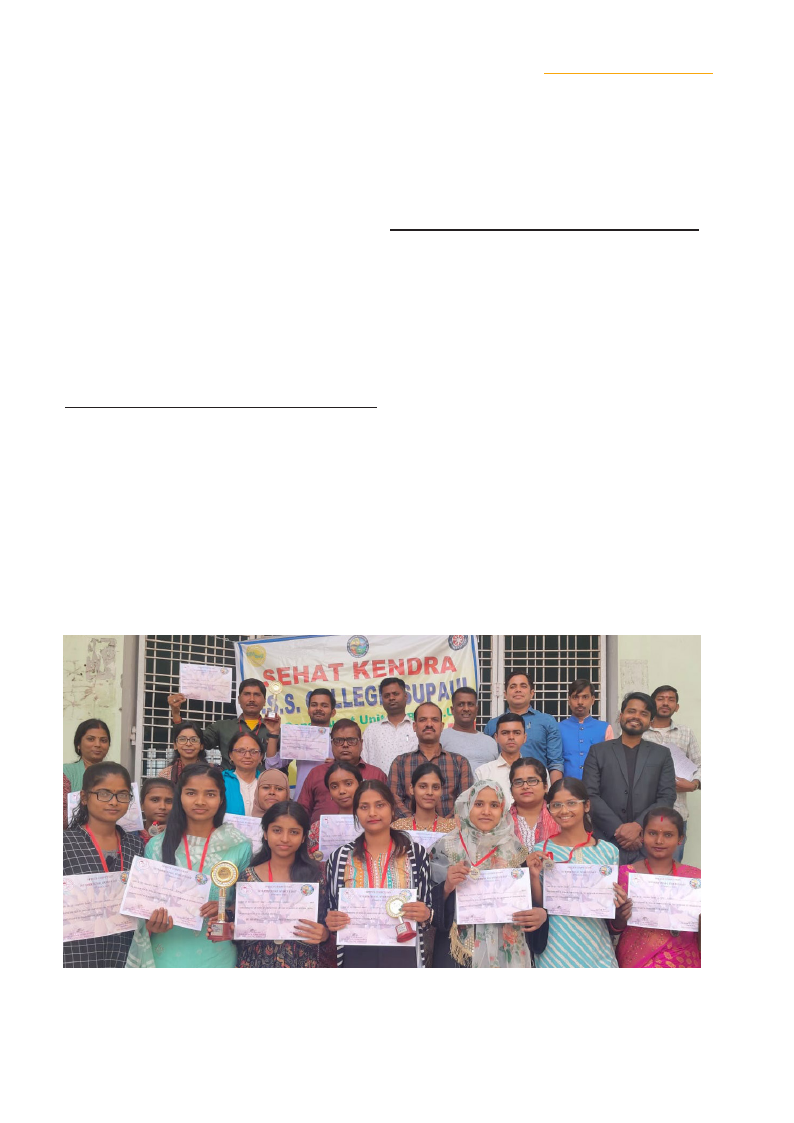
Health Society Bihar (SHSB) in setting up Sehat
Kendras—youth-friendly spaces offering information
on sexual and reproductive health, nutrition, mental
health, and gender. They were set up in 59 government
colleges and educational institutions across 30
districts.
Over 200 nodal officers and peer educators were
trained and mentored to lead outreach activities.
Over 24,000 students were engaged through campus
campaigns aligned with key health days such as
Menstrual Hygiene Day, World Population Day,
World Contraceptive Day.
Strengthening Accountability through
Jan Arogya Samitis
To encourage community participation and improve
primary healthcare delivery, Population Foundation
of India supported the strengthening of Jan Arogya
Samitis (JAS)—institutional platforms designed to raise
awareness and oversee services at Health and Wellness
Centres (HWCs), which have now been renamed
Ayushman Arogya Mandirs. In partnership with the state
government, we are developing Darbhanga and Nawada
as model districts for scalable, statewide replication.
Over 1,000 Community Health Officers and JAS
members across over 450 HWCs were trained to
monitor service delivery, identify gaps and share their
feedback with officials.
As a result, 20 Jan Samvaads (public dialogues)
were independently organised, highlighting issues
like poor road access and facility repairs. The
engagement prompted Panchayati Raj Institution (PRI)
representatives to allocate Rs. 5.58 lakh (USD 6,529)
from the 15th Finance Commission, reinforcing the role
of community-led accountability in strengthening local
health systems.
A campaign with peer educators from Sehat Kendras in Bihar on International Women’s Day
//18

2.9 Page 19

▲back to top


ANNUAL REPORT 2024-2025
“The Jan Arogya Samiti (JAS)
helped address several gaps—
installing a gate for the toilet,
purchasing essentials like
curtains and tables to ensure
privacy during antenatal
check-ups, and adding a rack
for medicine storage. These
improvements have built greater
community trust and, as a result,
monthly footfall at the Nazardih
Health and Wellness Centre has
increased from 363 to 421.”
Ms. Shweta Kumari,
Community Health Officer, HWC
Nazardih, Roh Block, Nawada
Building Community Ownership in Urban Slums
through Mahila Arogya Samitis
In 22 cities across Bihar, Mahila Arogya Samitis (MAS)—
women-led groups in urban slums promoting preventive
healthcare—were strengthened through training and
mentoring of local government officials. The MAS model,
originally developed by Population Foundation of India
under the Health of the Urban Poor programme, was
adopted and scaled up under the National Urban Health
Mission in 2013 across all Indian cities.
In Darbhanga, Nawada, and Patna, over 600 city
managers and MAS members were trained to
strengthen the planning and delivery of urban health
services. Following this, MAS groups utilised available
funds to conduct awareness activities on family
planning, menstrual health, health insurance under
Ayushman Bharat – Pradhan Mantri Jan Arogya Yojana
(AB-PMJAY), and services at urban Primary Health
Centres. By March 2025, more than 500 MAS members
in Darbhanga had received official ID cards, enhancing
access to services and reaffirming their role as trusted
health champions within the community.
A Jan Aarogya Samiti meeting in progress in Gulni, Nawada, Bihar.
//19

2.10 Page 20

▲back to top


POPULATION FOUNDATION OF INDIA
DRIVING CHANGE THROUGH
DIGITAL PLATFORMS
Population Foundation of India harnesses the power of
technology to expand access to accurate and reliable health
information, particularly in the areas of sexual and reproductive
health, family planning, and gender.
Population Foundation of India has developed user-
friendly digital platforms like Educately, SnehAI, and the
Knowledge Portal to create and disseminate content
grounded in evidence. This content is responsive to
the social and cultural realities of diverse communities.
These solutions are designed to inform and empower
individuals, especially adolescents, educators, parents,
health workers, and community leaders to make
informed decisions about their health and well-being.
By collaborating with partners across public, private,
and non-profit sectors, Population Foundation of India
ensures its digital tools are inclusive and impactful,
driving real world change.
Educately: Expanding Adolescent Health Access
through Digital Learning
Educately.org is an e-learning platform in English and
Hindi offering age-appropriate, culturally sensitive
content on health and well-being. Free, easy to navigate,
and self-paced, Educately’s online courses provide a safe
and supportive space to explore topics often overlooked
in traditional education systems, such as sexual and
reproductive health, gender, emotional well-being,
and digital safety. Since its launch in August 2020, the
platform has attracted over 200,000 visitors and recorded
18,000 course enrollments.
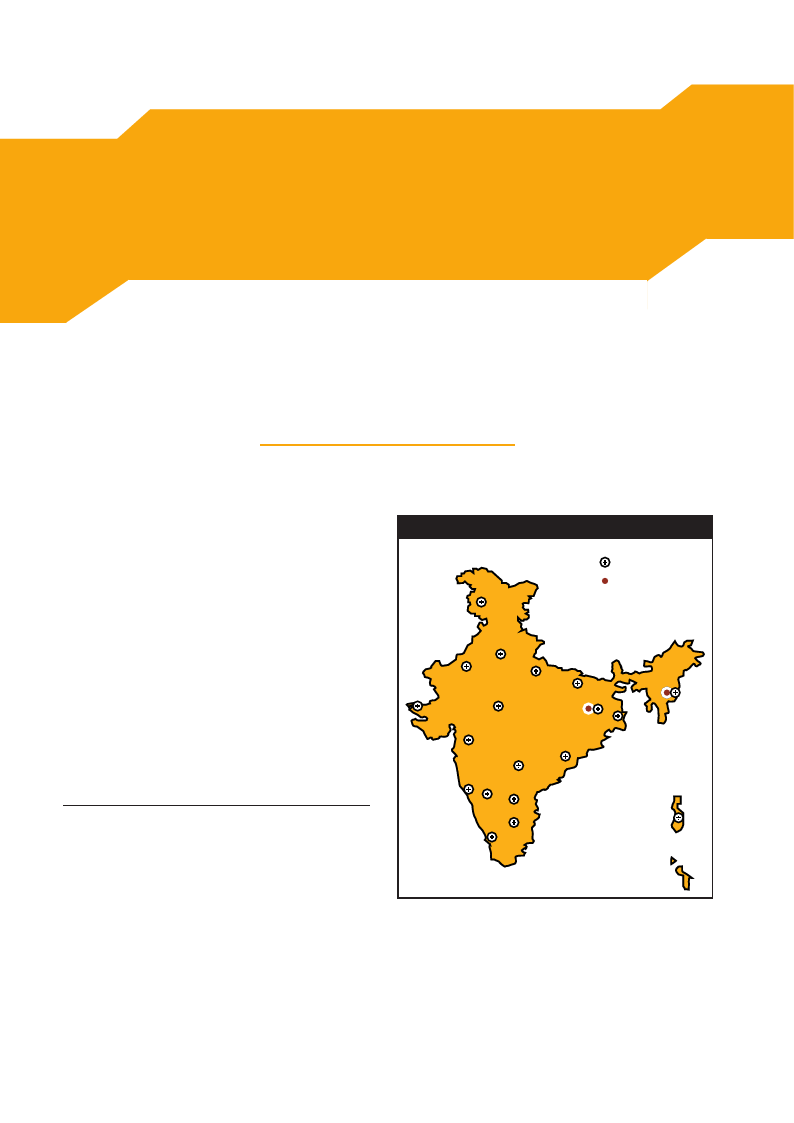
GEOGRAPHICAL REACH OF EDUCATELY
J&K
ACCESSED ONLINE
OFFLINE
DELHI
UP
RAJASTHAN
GUJARAT
MP
INDIA
MAHARASHTRA
BIHAR
JHARKHAND
W. BENGAL
ODISHA
MANIPUR
GOA
TELANGANA
ANDHRA
PRADESH
KARNATAKA
KERALA
TAMIL
NADU
ANDAMAN
& NICOBAR
MAP NOT TO SCALE
>>Training professionals across the HCL ecosystem:
In partnership with the HCLFoundation, the ARSH
(Adolescent Reproductive and Sexual Health) for You
course was integrated on the HCLF Academy portal, a
//20

3 Pages 21-30

▲back to top


3.1 Page 21

▲back to top


ANNUAL REPORT 2024-2025
learning platform for development sector professionals.
In 2024–25, three batches of over 500 professionals were
trained with an average course completion rate of 60%,
which is a strong indicator of engagement and relevance.
A new module on internet safety was also introduced
to raise awareness about online risks and promote
responsible digital behaviour, addressing a growing need
for online safety in an increasingly connected world.
>>Strengthening digital safety in Uttar Pradesh: A
special session on “Internet and Safe Use of Social Media
by Adolescents” was conducted for 95 ARSH counsellors
of the RKSK cell, under the Rashtriya Kishor Swasthya
Karyakram (RKSK)—India’s national adolescent health
programme of the National Health Mission, Uttar
Pradesh. This initiative helped frontline counsellors
strengthen their understanding of digital safety to better
support adolescents in navigating social media
and the internet.
>>Training educators across Rajasthan: In partnership
with the Education Department of Rajasthan, Population
Foundation of India facilitated the ARSH for You online
course. A total of 939 educators enrolled for the online
course with 238 completing it.
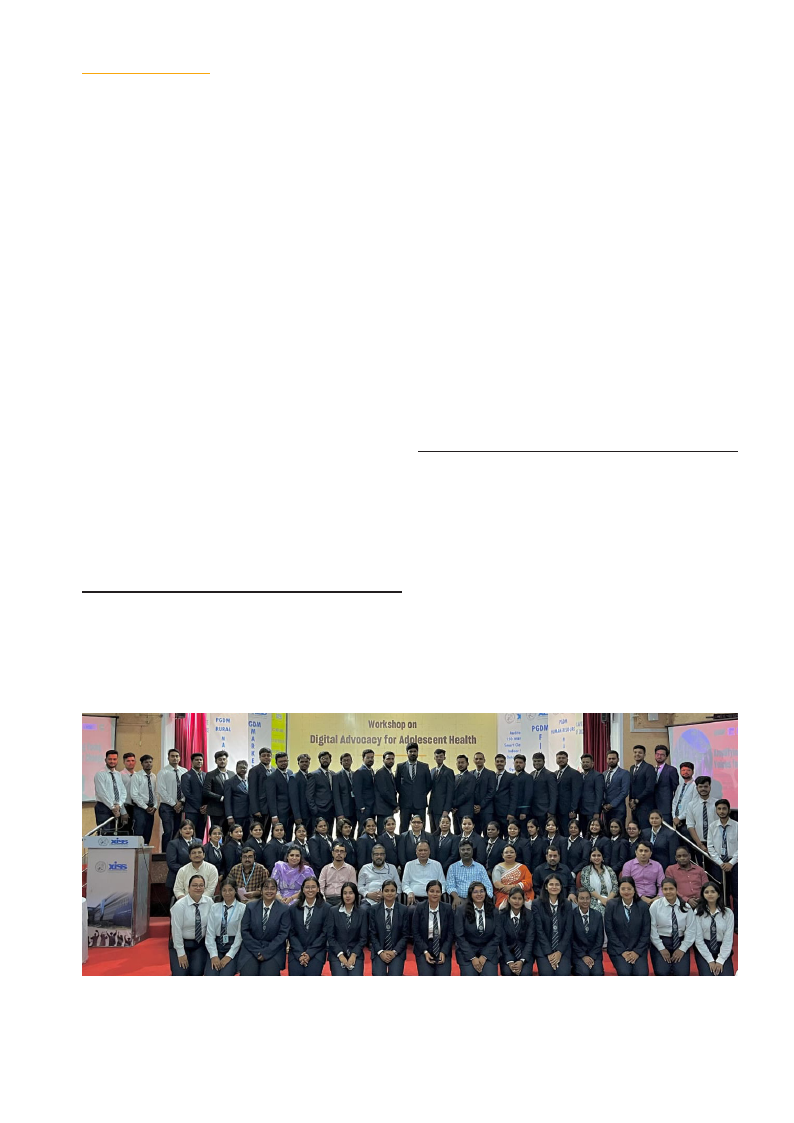
Digital Advocates for Adolescent Health (DAAH)
In partnership with the corporate social responsibility
arm of Cummins India Limited, and Samhita Social
Ventures, Population Foundation of India launched the
Digital Advocates programme in the districts of Ranchi
and Hazaribagh, Jharkhand. This programme trained
100 fellows, including youth leaders from Hazaribagh
and students from the Xavier Institute of Social Service
(XISS) in Ranchi, focusing on adolescent reproductive and
sexual health (ARSH), along with digital advocacy.
Following the training, fellows spearheaded the
#RiseUpforSRH campaign, creating reels, carousels,
and infographics to raise awareness about ARSH issues.
The campaign reached 118,000 people, generating
765,000 views and 16,000 likes. The fellows now plan
to collaborate with Adolescent Friendly Health Clinics
(AFHCs) established under India’s Rashtriya Kishor
Swasthya Karyakram (RKSK) programme to ensure
that the sexual and reproductive health needs of local
adolescents are effectively addressed.
A Resource Hub on Gender, Family Planning and
Population Dynamics
In 2022, Population Foundation of India launched the
Family Planning Resource Bank, an online repository
offering reliable data on family planning, sexual and
reproductive health, and fertility trends in Hindi and
English. The platform has since evolved into the
Knowledge Portal, broadening its focus to include
the interconnected themes of gender and population
dynamics. It is designed for media professionals,
academics, researchers, and practitioners, providing easy
access to fact sheets, briefs, curated resources, as well as
research insights.
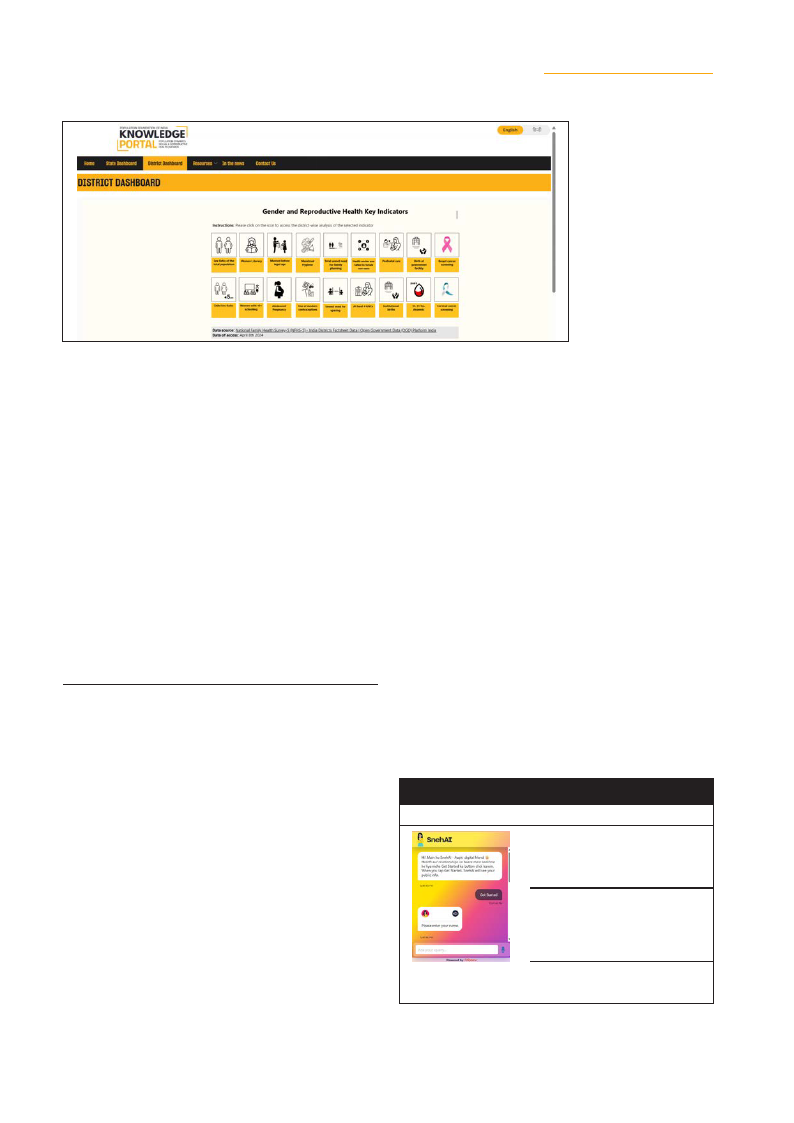
>> The portal features an interactive dashboard with
state and district-level indicators, offering in-depth data
An orientation workshop for the Digital Advocates for Adolescent Health programme at Xavier Institute of Social Services, Ranchi.
//21

3.2 Page 22

▲back to top


POPULATION FOUNDATION OF INDIA
Snapshot of the
district dashboard
on the new
Knowledge Portal.
visualisations on key metrics such as fertility rates and
unmet contraceptive needs from National Family Health
Survey (NFHS) data.
>>The platform continually enhances its repository
by incorporating the latest research findings, policy
analyses, and data sets. This ensures that users have
access to up-to-date and comprehensive information.​
>>An AI-powered search tool is currently under
development to deliver faster, more accurate,
and context-specific responses to user queries on
population dynamics and family planning. It will also
improve the user experience and provide efficient
access to relevant content.​
SnehAI: Empowering Youth with
AI-Driven Sexual and Reproductive
Health Information
SnehAI is an AI-powered chatbot developed by Population
Foundation of India offering young people accurate,
non-judgmental, and user-friendly information on sexual
and reproductive health and digital safety. Accessible
via platforms like Facebook Messenger and WhatsApp,
SnehAI offers a safe and confidential environment for
users to engage in interactive conversations on topics
including relationships, consent, body image, mental
well-being, and digital safety. I​t enables interactive
conversations, delivers reliable information, and provides
users with details of national helplines for further
support. So far, 300,000 users have exchanged more than
13 million messages with the chatbot, which includes 46%
messages from returning users.
>> Comprehensive content coverage: SnehAI now
includes 23 core health topics aligned with global
CSE (Comprehensive Sexuality Education) standards.
It covers themes like gender identity, body image,
menstruation, legal rights, and consent.
>> Expert Oversight: To ensure content accuracy and
inclusivity, a Technical Advisory Group was formed,
comprising Love Matters India, TARSHI (Talking About
Reproductive and Sexual Health Issues), The YP
Foundation, Ideosyncmedia, and Dr. Tanaya Narendra,
a renowned medical professional and sexual health
educator. ​
>> Technological Advancements: Future enhancements
for SnehAI include the integration of full voice
capabilities to enable voice-based interactions, making
the platform more accessible and engaging for a wider
audience. Plans are underway to expand SnehAI’s reach
through this feature, building on the voicebot prototype
piloted in 2024. As a part of the initial evaluation,
a pretest was conducted to assess the voicebot’s
functionality, user experience, and content relevance.
The results were promising—93% of both male and
female users found SnehAI to be a valuable source of
information on sexual and reproductive health (SRH)
and internet safety. The content was perceived as highly
relevant, earning a 97% usefulness rating.
SNEHAI VOICEBOT PILOT
(JAN ’24-APR ’25)
7,538
Total number of users
19.3
Average number of messages
sent by a user on the voicebot
Puberty and sexual health content saw the
highest increase in returning visitor interest.
//22

3.3 Page 23

▲back to top


ANNUAL REPORT 2024-2025
Engaging Millions Through Digital Storytelling
Total reach
51 million
Total views
65 million
A Youth Champion meeting in Nawada, Bihar.
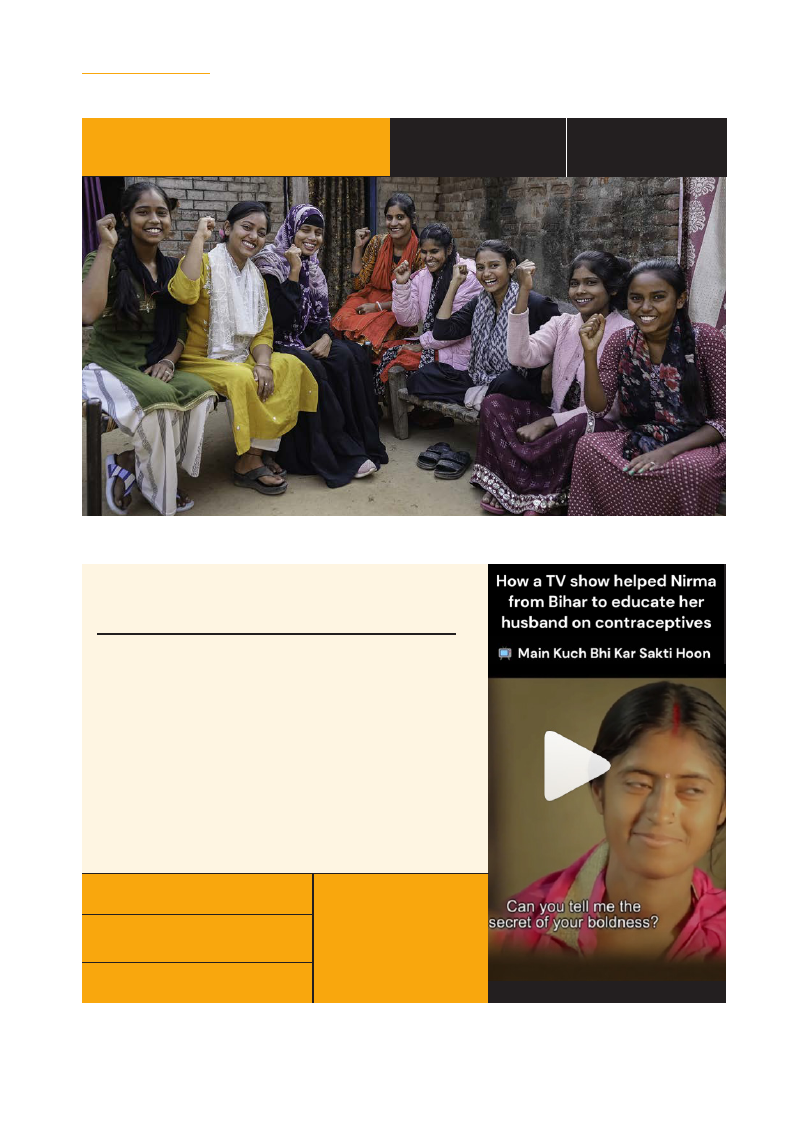
#MainKuchBhiKarSaktiHoon
Advocating for Family Planning, Women’s Health, and
Sustainable Development
The #MainKuchBhiKarSaktiHoon (I, A Woman, Can Achieve
Anything) campaign, which ran from International Women’s
Day (March 8, 2024) to World Population Day (July 11, 2024),
focused on family planning, women’s health, gender equity, and
sustainable development.
To amplify its reach and impact, the campaign collaborated with
prominent influencers in the field of sexual and reproductive
health (SRH), including​Leeza Mangaldas, well-known sexual
health educator and content creator; Dr. Prateek Makwana, a
medical professional specialising in SRH, and Dr. Anjali Kumar,
gynaecologist and obstetrician. In addition, the campaign
featured the #SustainableTogether Tweetathon with nine CSOs.
Reach
10MILLION
11.6 Views
MILLION
Likes 216,000
Short-form video content,
particularly reels, proved
to be the most effective
format, resonating with
a male (65%) audience
aged 18-34.
//23

3.4 Page 24

▲back to top


POPULATION FOUNDATION OF INDIA
#DeshBadlegaJabMardBadlega
Promoting Shared Male Responsibility
The #DeshBadlegaJabMardBadlega (Better Men for
a Better Country) campaign aimed to emphasise
the critical role of men as equal partners in family
planning and promoting gender equality. This
strategic campaign ran from World Contraception
Day (September 26th) to World Vasectomy Day
(November 17th).
Central to the campaign was the slogan ‘Karo
#IshqWithoutRisk,’ which emphasised safe sexual
practices and shared contraceptive responsibility.
The campaign employed a variety of digital content
formats such as reels, short videos, and celebrity
content to drive engagement.
Reach
Views
27 MILLION
33 MILLION
Likes 505,000
3,200|829 Shares |
Comments
The audience primarily
comprised men (70.3%)
aged 18-34, leading to
22 million engagements.
14.2 Reach
MILLION
20.3 Views
MILLION
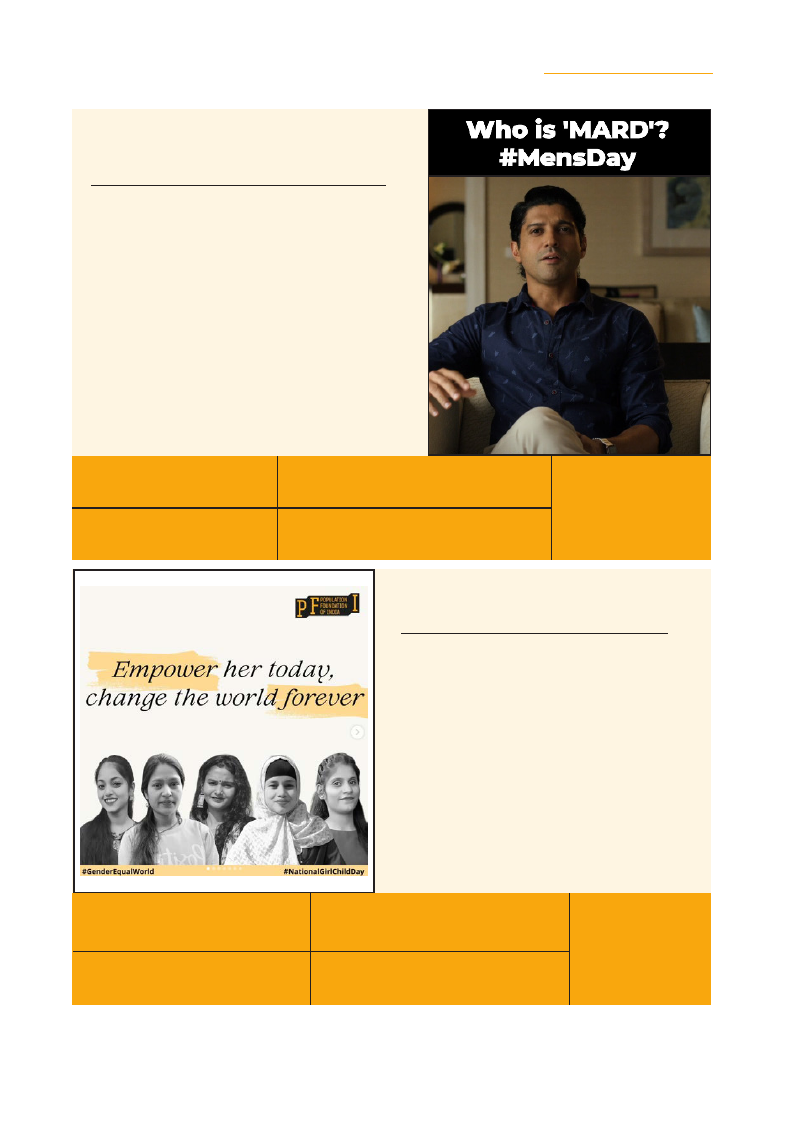
#GenderEqualWorld
One Story At A Time
Launched on National Girl Child Day in
January 2025 and running until International
Women’s Day in March, the campaign
#GenderEqualWorld fostered conversations
on gender equality, ensuring opportunities are
driven by potential, not gender.
Covering topics like higher education for
women, female friendships, gender norms,
online safety, delayed marriage, self-
confidence, reproductive autonomy, and male
engagement, the campaign engaged women
and men (18-35) through digital content,
storytelling, and interactive discussions.
Likes
70,000
70% Highest engagement
from men
The highest
engagement came
from the 18-24
age group.
//24

3.5 Page 25

▲back to top


ANNUAL REPORT 2024-2025
RESEARCH & EVALUATION
At Population Foundation of India, evidence remains the cornerstone
of our work. In 2024–25, our research and strategic insights contributed
to the national and global discourse on women’s empowerment, family
planning, gender and population dynamics. By combining digital
innovation with robust data, we ensured our initiatives remained
scalable, responsive, and grounded in real-time data.
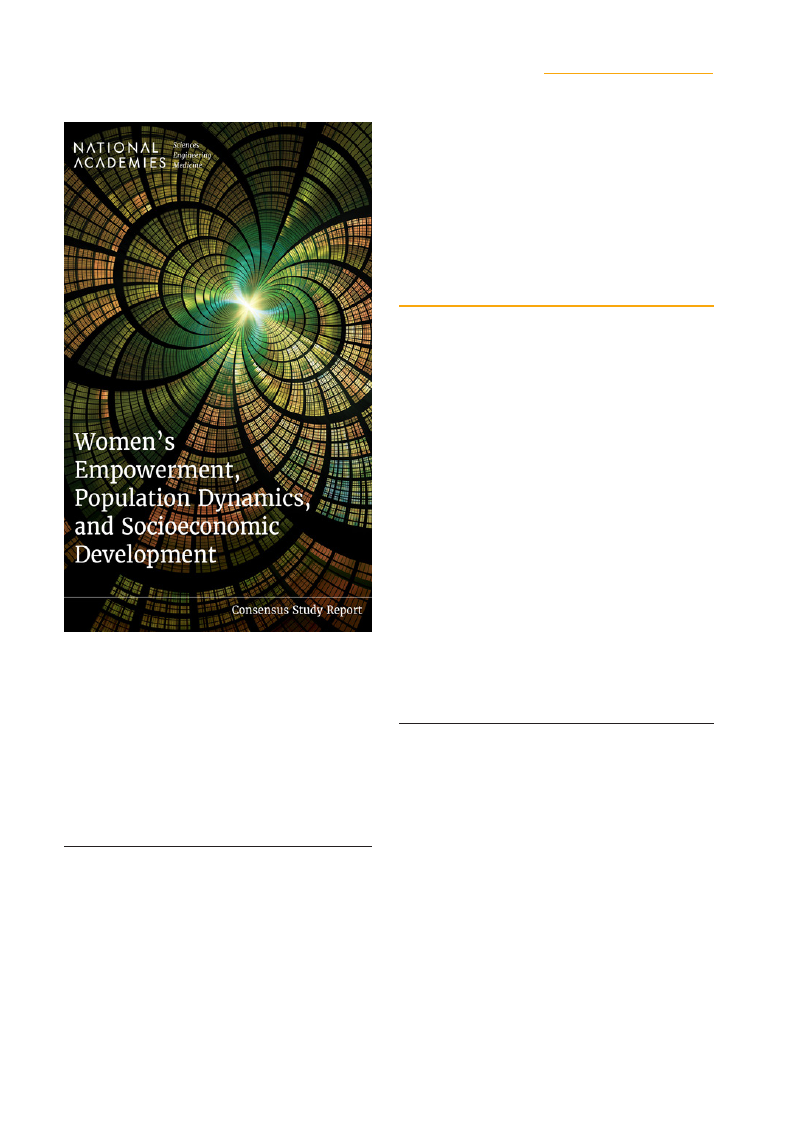
National Academies of Sciences, Engineering
and Medicine (NASEM) Global report: Women’s
Empowerment, Population Dynamics, and
Socioeconomic Development
The Executive Director of Population Foundation of
India was invited to serve on a multi-disciplinary study
committee constituted by the National Academies of
Sciences, Engineering, and Medicine (NASEM), USA,
for a pivotal study titled ‘Women’s Empowerment,
Population Dynamics, and Socioeconomic
Development’. Population Foundation of India offered
strategic guidance and valuable insights, particularly
on the linkages between population dynamics and
women’s empowerment, as well as evidence on the
impact of various programmes.
The committee reviewed research across social
sciences and health disciplines, conducted expert
consultations, and developed a conceptual framework
emphasising women’s agency at societal, community,
interpersonal, and intrapersonal levels. It highlighted
how resources drive empowerment and how
demographic trends shape socioeconomic progress,
while recognising sociocultural norms as critical
moderators.
The report provides a roadmap for policymakers,
NGOs, donors, and researchers to expand data
collection, invest in integrated interventions, and foster
collaborative research to advance gender equality
and development. The report was disseminated at
the 2025 Annual Meeting of Population Association
of America in Washington DC on April 11, 2025. The
Executive Director joined a panel to present the study’s
findings, urging stakeholders—governments, donors,
researchers, and civil society—to invest in integrated
approaches that link financial inclusion, healthcare
access, and community mobilisation.
Exploring linkages between Women’s
empowerment, workforce participation and
population dynamics
Population Foundation of India, in collaboration with
the Institute for What Works to Advance Gender
Equality (IWWAGE), commissioned the research study
‘Exploring Linkages Between Women’s Empowerment,
Workforce Participation, And Population Dynamics in
the Indian Context: A Comprehensive Macro-Micro
Analysis’. Rooted in a robust macro-micro analytical
framework, the study integrates national and
//25

3.6 Page 26

▲back to top


POPULATION FOUNDATION OF INDIA
Population Foundation of India’s
inputs have been especially significant
in embedding considerations of
family planning, gender equity, and
community accountability into the
Commission’s broader narrative and
proposed reforms.
sub-national data analysis with qualitative fieldwork
across rural, peri-urban, and urban areas in Uttar
Pradesh, Bihar, and Delhi.
The study is scheduled for release in the latter half of
2025. It will be disseminated widely among policymakers,
development practitioners, media, and civil society
stakeholders.
Reimagining India’s Health System – A Lancet
Citizens’ Commission
The Lancet Citizens’ Commission on Reimagining
India’s Health System is a landmark initiative aimed at
developing a comprehensive roadmap toward universal
health coverage (UHC) in India. As The Lancet’s first
country-specific commission, it employs a participatory
model that centres the voices and needs of citizens in
reshaping the nation’s healthcare landscape.
The Executive Director of Population Foundation of India,
Poonam Muttreja, has chaired the Citizens’ Engagement
Workstream since the Commission’s inception in 2020.
We have played the critical role of a knowledge partner,
while bringing together a diverse range of stakeholders
to co-create actionable strategies since its inception.
Population Foundation of India’s inputs have been
especially significant in embedding considerations
of family planning, gender equity, and community
accountability into the Commission’s broader narrative
and proposed reforms.
A peer-reviewed article capturing key findings and
recommendations of the Commission was submitted
to The Lancet in 2024. We hosted a pivotal in-person
meeting of Commission authors in December 2024,
facilitating deliberations on reviewer feedback and
guiding the refinement of recommendations. The revised
manuscript has been re-submitted and is expected to be
published later this year.
Position papers on two new long-acting reversible
contraceptives (LARC)
Population Foundation of India developed two position
papers on two new long-acting reversible contraceptives
(LARC) introduced by the Government of India (GoI):
Subcutaneous Injectable MPA Contraceptive (DMPA-SC)
and subdermal implants.
These contraceptives are currently being piloted in 10
states, and the position papers present an evidence-
based case for an effective nationwide rollout.
Highlighting their cost-effectiveness and the increased
reproductive autonomy they offer, the papers address
potential challenges such as fear of self-administration,
low awareness, and limited demand. The position papers
were shared with government officials, CSOs and media
to share learnings and recommendations for a wider
rollout of these contraceptives across India.
//26

3.7 Page 27

▲back to top


ANNUAL REPORT 2024-2025
UMEED Dashboard
Overview
Meetings
Cluster Meeting
Orientation
Interactive UMEED MIS Dashboard.
Trainings UMEED Counseling
Center
Data Driven Decision Making:
UMEED MIS Dashboard
Monitoring and evaluation are integral to Population
Foundation of India’s work, ensuring data-driven
decisions and programme effectiveness. We develop
project-specific theories of change, aligned with
our broader organisational vision and pathways to
transformation. Detailed result frameworks are created
to capture the tangible outcomes of the projects.
This year, under the Umeed scale-up project, we
have transitioned from the traditional pen-and-paper
method of data collection to an online system using
KoboToolbox. This near real-time data collection has
allowed us to centralise our data management system
and maintain a record of all means of verification for
the activities conducted.
Moreover, this change has facilitated the development
of a live, interactive UMEED MIS dashboard using
PowerBI. The dashboard offers comprehensive data
analytics on various project interventions through
intuitive visualisations, allowing teams to monitor
progress against planned activities and adapt. Now fully
operational, the dashboard supports timely, evidence-
based decision-making.
//27

3.8 Page 28

▲back to top


POPULATION FOUNDATION OF INDIA
STORIES OF CHANGE
//28

3.9 Page 29

▲back to top


ANNUAL REPORT 2024-2025
Gram Pradhan to Gender Ally:
Mohammad Imraan’s Vision for Karnai
“I want every girl here to be
educated, healthy, and free to decide
the right time for marriage and
motherhood. We’ll also make sure
girls from marginalised communities
are no longer left behind.”
Like many local leaders, Mohammad Imraan, the
50-year-old Pradhan of Karnai Gram Panchayat in
Jarwal block of Bahraich district in Uttar Pradesh
was focused largely on infrastructure and basic
services. He didn’t think of family planning as part of
his responsibilities. That changed after he attended
a Panchayati Raj Institution (PRI) training conducted
under Population Foundation of India’s Umeed project.
The session challenged the traditional belief held by
many Pradhans that their role is limited to developing
physical infrastructure. It encouraged them to broaden
their vision and recognise that health, particularly
sexual and reproductive health, was just as critical to
a community’s progress. The training demonstrated
how early marriage and limited contraceptive access
and choices aren’t mere personal matters, but systemic
issues directly affecting women’s health, autonomy,
and dignity.
For Imraan, it was an eye-opener and a turning point.
“I realised how important it is for every woman to
have the right to family planning, without fear or
judgement,” he said. “This is essential for their health
and wellbeing.”
Using his own funds, Imraan commissioned wall
paintings on houses across his village, highlighting
the importance of family planning and the legal age
of marriage. He urged families to attend a health
mela organised by the Umeed team and made public
appeals against early marriage.
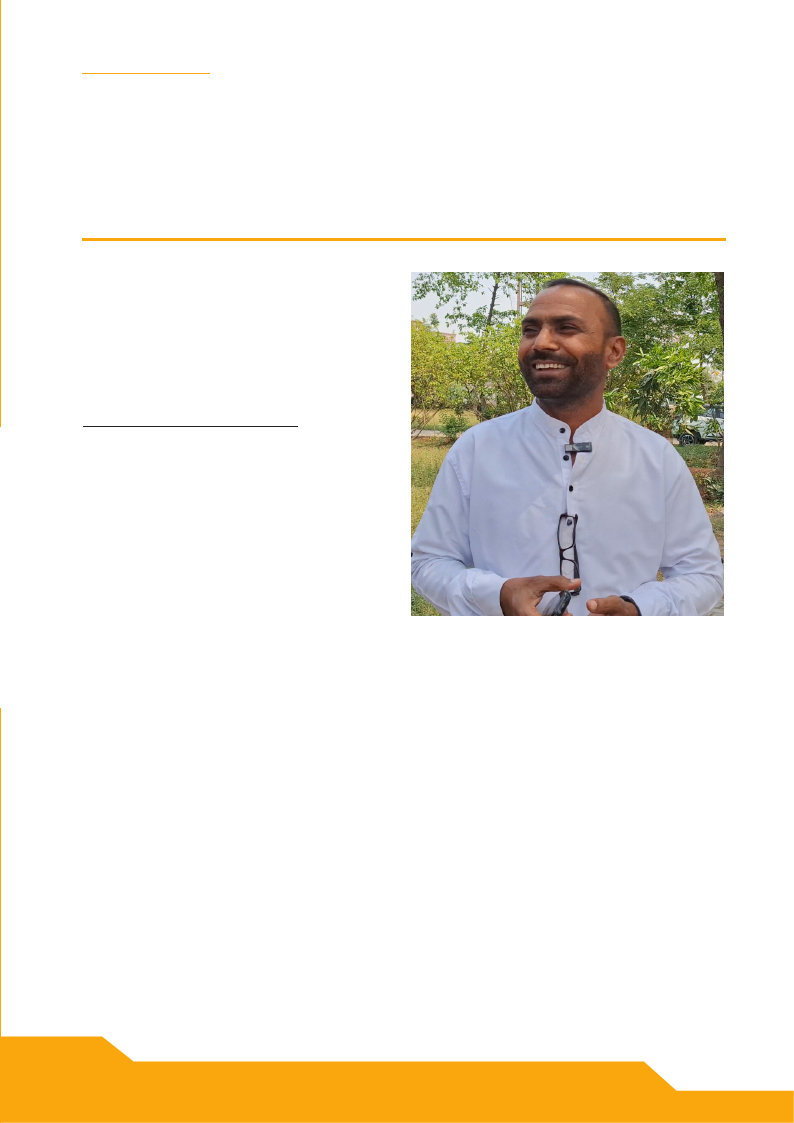
Imraan, Pradhan of Karnai village in Bahraich, Uttar Pradesh
envisions a model village that champions girls, their education,
and empowers young women.
When he heard about Nasreen, a 15-year-old who
had dropped out of school and whose parents were
preparing for her wedding, he engaged with the family
and began a series of conversations. He first explained
the law and then the emotional and physical toll of
early marriage. Most importantly, he shared a hopeful
vision of a different future for their daughter.
It wasn’t easy, but his persistence paid off. The family
agreed to delay the marriage. Today, Nasreen is back
in school, attending Class 8. Emboldened by this
experience, Imraan now speaks of transforming Karnai
into a village where girls stay in school, child marriage
is a thing of the past, and reproductive choices are
respected. Imraan’s story is a testament to what can
happen when awareness meets empathy and local
leadership becomes a vehicle for social change.
//29

3.10 Page 30

▲back to top


POPULATION FOUNDATION OF INDIA
Quiet Corner to a Confident Choice: Transforming
family planning access in Haidergarh
In the Community Health Centre (CHC) in Haidergarh, in
the Barabanki district in Uttar Pradesh, the outpatient
department sees about 400–500 patients daily. Privacy
was rare here. For women and couples seeking
information about family planning, there was no private
space to speak openly, and no trained counsellor
to guide their decisions. That changed with a small
intervention late last year.
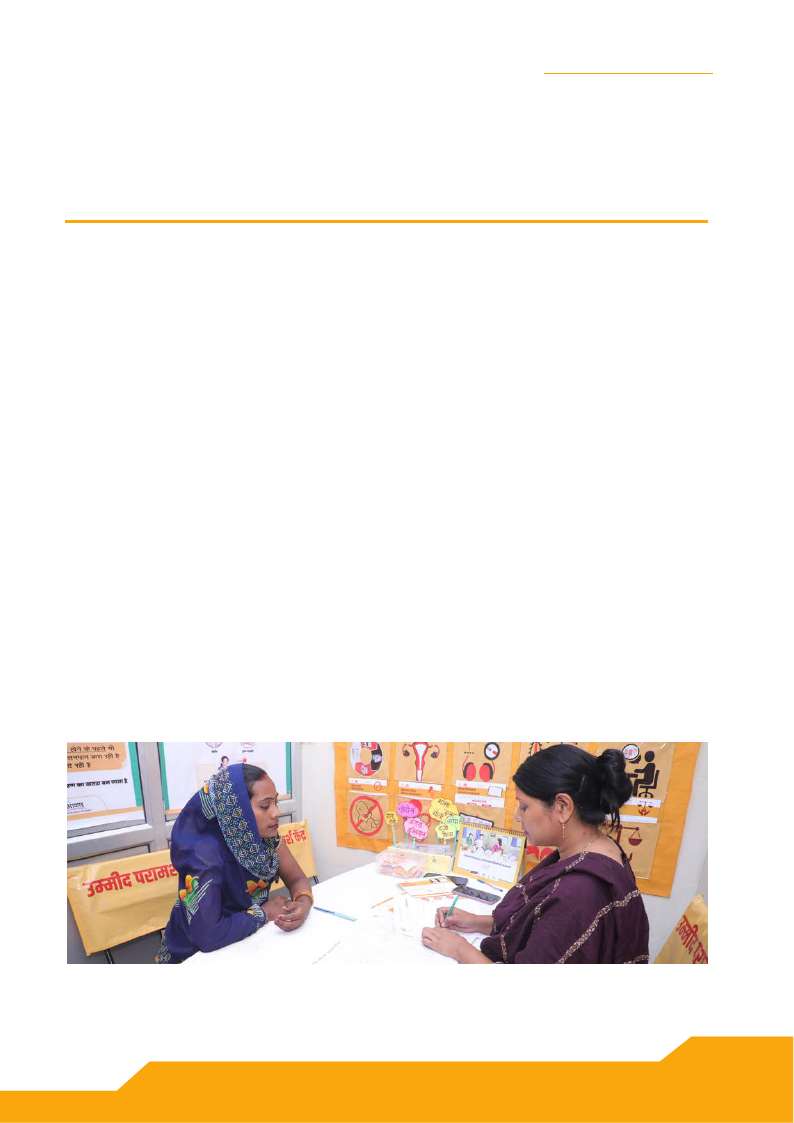
Under the Umeed project, Population Foundation of
India introduced a family planning corner at the CHC.
Initially, a modest kiosk, the family planning (FP) corner
offered a dedicated space for personalised, non-
judgmental counselling on reproductive health—a first
for the facility. The response said it all.
Word spread, and people began seeking out the
FP Corner for private consultations. Recognising its
importance, the Medical Officer in-charge, Dr. Saurabh
Shukla relocated the corner to a full room adjacent to
the Lady Medical Officer’s chamber, ensuring more
comfort and confidentiality.
“With a structured system and trained counsellors, FP
services are now consistently available. We’ve exceeded
our postpartum IUCD insertion target, reaching 53% of
postpartum clients,” says Dr. Shukla.
To strengthen service quality, counsellors received
intensive training to address myths, guide method
switching, and tailor advice to individual needs. This
approach empowered individuals to make informed
choices about their reproductive futures.
Frontline workers—ASHAs and ANMs—were also trained
to build their confidence in discussing family planning,
especially with male clients. For many, this was a
huge leap. “When a male client once asked me for
condoms, I was offended,” recalls an ASHA Sangini.
“I even told my husband. But after the Umeed training,
I understood it wasn’t wrong; it was my job. Now, I feel
proud to speak openly.”
To boost referrals, a coupon-based system was
introduced. During immunisation days, ANMs hand
out coupons to eligible clients, directing them to the FP
Corner. Counsellors use flipbooks and posters to explain
methods clearly, addressing taboos through clear
information and empathetic counselling.
A WhatsApp-based group called “Mantra” tracks real-
time data and ensures accountability. The initiative also
receives strong backing from the local administration.
Mr. Sanjeev Kumar Gupta, the Block Development
Officer, supports complementary campaigns like Itni Bhi
Kya Jaldi Hai, which promotes birth spacing and delays
early marriage. “Together with Population Foundation of
India,” Mr. Gupta notes, “we can ensure every girl
and woman in Haidergarh has the right to health, choice,
and dignity.” What began as a quiet corner is now a
thriving hub of empowerment.
An Umeed Counselling Corner at Community Health Centre in Haidergarh, Barabanki, Uttar Pradesh.
//30

4 Pages 31-40

▲back to top


4.1 Page 31

▲back to top


ANNUAL REPORT 2024-2025
Sapna’s Story: From Youth Champion
to Future Health Worker
Sapna Kumari, a 24-year-old from Ballia Bujurg village
in Akbarpur block, Nawada district, Bihar, has emerged
as a role model for adolescent girls in her community.
Growing up in a large family with limited financial
resources, Sapna faced the pressures common to many
young women in her village—marry early and step
away from education.
In 2021, she became a Youth Champion under
Population Foundation of India’s Kishori Samooh
initiative, a community-based platform that empowers
adolescent girls through knowledge, peer engagement,
and leadership. As a Youth Champion, Sapna mentored
20 girls, helping them navigate questions around
sexual and reproductive health. She also created a
space where girls could talk openly, learn together, and
find mutual support.
One of her key contributions was launching a sanitary
pad bank for Kishori Club members. To make
menstrual hygiene products more accessible, the girls
began contributing Rs. 1 (USD 0.01) per day, pooling
resources to purchase sanitary pads in bulk.
They partnered with manufacturers who supplied pads
at a lower cost, allowing the group to procure larger
quantities. As a result, they were able to meet the
needs of contributing members and distribute pads to
women and girls in the community who were unable to
contribute, ensuring no one was left behind.
To sustain the initiative, Sapna also trained two
adolescent girls to manage and carry it forward.
Her involvement in the Village Health Sanitation
and Nutrition Days further deepened her interest in
healthcare. Watching Auxiliary Nurse Midwives (ANMs)
monitor pregnant women sparked a new aspiration in
her, prompting her to prepare for the ANM entrance
examination.
In 2022, Sapna qualified for admission to the Patel
Nursing Training Centre in Patna. Determined to
fund her own education, she began offering coaching
classes to children in her village, a reflection of her
resourcefulness and resolve.
Her mother shared: “Sapna has shown immense
courage. She stepped out, gained confidence, and is
now able to pursue her dream of becoming an ANM.
This is very rare in our society where daughters are
often married off instead of being supported in their
education.” Sapna’s journey, from a young girl with
limited opportunities to an aspiring health worker
shows how community-based adolescent engagement
can open pathways to leadership, economic
independence, and public service. Her dream now is
to return to her village as a qualified ANM, improving
access to healthcare for women and girls like herself.
Sapna Kumari (second from left), from Ballia Bujurg village in Nawada district of Bihar, is training to become an Auxiliary Nurse Midwife.
//31

4.2 Page 32

▲back to top


POPULATION FOUNDATION OF INDIA
FINANCIAL &
OPERATIONAL
OVERVIEW
Particulars
SOURCE OF FUNDS
Corpus Fund
Society Fund
Deferred Grant
Restricted Project Funds
Current Liabilities
Provisions
Total
APPLICATION OF FUNDS
Fixed Assets
Investments
Cash and Bank Balances
Loans and Advances
Total
2024-25
Rs.(Lakh)
500
7,598
92
1,180
192
36
9,598
2023-24
Rs.(Lakh)
500
7,198
103
1,054
178
33
9,066
2024-25
USD (Mn)
0.59
8.94
0.11
1.39
0.23
0.04
11.30
2023-24
USD (Mn)
0.59
8.47
0.12
1.24
0.21
0.04
10.67
195
7,070
1,711
622
9,598
160
6,270
1,606
1,030
9,066
0.23
8.32
2.01
0.73
11.29
0.19
7.38
1.89
1.21
10.67
Particulars
INCOME
Grant income
Rental Income
Interest and other income
Total
2024-25
Rs.(Lakh)
1,184
240
682
2,106
2023-24
Rs.(Lakh)
1,085
238
664
1,987
2024-25
USD (Mn)
1.39
0.28
0.80
2.47
2023-24
USD (Mn)
1.28
0.28
0.78
2.34
EXPENDITURE
Health and Family Planning expense
1,132
741
1.33
0.87
Behaviour Change Communication expense
51
308
0.06
0.36
Community Action for Health expense
-
34
-
0.04
Other Project expense
345
495
0.41
0.58
Management & Administrative expense
179
194
0.21
0.23
Total
1,707 1,772
2.01
2.08
Excess of Income over Expenditure
399
215
0.46
0.26
*Conversion from INR to USD is done at Rs. 85 to USD 1
//32

4.3 Page 33

▲back to top


ANNUAL REPORT 2024-2025
POPULATION
FOUNDATION OF
INDIA’S HR POLICIES
At Population Foundation of India, we maintain a
comprehensive Human Resources Policy Manual that
outlines well-structured policies and processes. These
structured guidelines and principles are designed to
manage the workforce effectively. They establish a
framework for fair and consistent decision-making in
areas such as recruitment, compensation, performance
management, employee conduct, and workplace
culture. Our HR policies ensure alignment between
organisational objectives and staff needs, fostering
a harmonious and productive working environment.
These terms, conditions, and policies are derived from
broader employment legislation in the country, as
well as from best practices followed by organisations
in similar fields. In addition to this core HR Manual,
Population Foundation of India has established specific
policies related to the Prevention of Sexual Harassment
(PoSH), Child Protection, Protection from Sexual
Exploitation and Abuse (PSEA), and Whistleblower
Protection, all of which form part of our Compliance
Management framework. In essence, our people
policies are not just administrative tools but strategic
assets that support the organisation’s mission and
values while fostering a culture of respect, inclusivity,
and professionalism.
Anti-Sexual Harassment Policy
At the workplace, Population Foundation of India
prohibits discrimination, inappropriate conduct, or
harassment, based on a person’s gender, religion,
caste, ethnicity, sexual orientation, disability, age,
colour, national origin, veteran status, marital status,
race, ancestry, linguistic, or any other legally protected
In 2024-2025, no cases of
sexual harassment were filed in the
organisation. Looking ahead, we
will continue to invest in
employee-centric initiatives,
ensuring our team remains
motivated, engaged, and aligned.
characteristic. Population Foundation of India
holds that all persons have the right to work in an
atmosphere free of discrimination and harassment.
Population Foundation of India recognises that equality
in employment can be seriously impaired when
women are subjected to gender-specific violence, like
sexual harassment at the workplace. The Population
Foundation of India has, thus, adopted its Policy
Against Sexual Harassment at the Workplace (referred
to as Population Foundation of India PASHW), for
the prevention, prohibition, and redressal of sexual
harassment, in compliance with the mandate of the
Government of India’s Sexual Harassment at Workplace
(Prevention, Prohibition, and Redressal) Act 2013
and The Sexual Harassment of Women at Workplace
(Prevention, Prohibition, and Redressal) Rules 2013.
Under this policy, an Internal Complaints Committee
(ICC) has been constituted under Rule IV and a detailed
grievance procedure has been established.
In 2024-2025, no cases of sexual harassment were filed
in the organisation. Looking ahead, we will continue to
invest in employee-centric initiatives, ensuring our team
remains motivated, engaged, and aligned.
//33

4.4 Page 34

▲back to top


POPULATION FOUNDATION OF INDIA
Kehkisha Parveen, a Youth Champion from Nawada, Bihar.
//34

4.5 Page 35

▲back to top


ANNUAL REPORT 2024-2025
OUR PARTNERS
Ministry of Health and
Family Welfare,
Government of India
Bihar Rural
Livelihood
Promotion Society
(JEEViKA),
Government of Bihar
Department of
Health & Family
Welfare, Government
of Uttar Pradesh
Department of
Education,
Government of Bihar
State Health Society,
Government of Bihar
Department of
Education, Government
of Rajasthan
Rohini Nilekani
Philanthropies
Foundation
The Gates Foundation
Give2Asia
The David and Lucile
Packard Foundation
HCLFoundation
Mobius Foundation
Collective Good
Foundation
BFL Investments and
Financial Consultants
Pvt Ltd
Apollo Trading and
Finance Pvt Ltd
//35

4.6 Page 36

▲back to top


POPULATION FOUNDATION OF INDIA
HEAD OFFICE
B-28, Qutab Institutional Area,
New Delhi – 110016
T: +91 11 43894 100
@PopFoundIndia
@PopFoundIndia
REGIONAL OFFICES
Bihar
Uttar Pradesh
@populationfoundationindia
www.populationfoundation.in
//36